Zoysia Lawn Issues in Texas: Survival & Establishment Tips
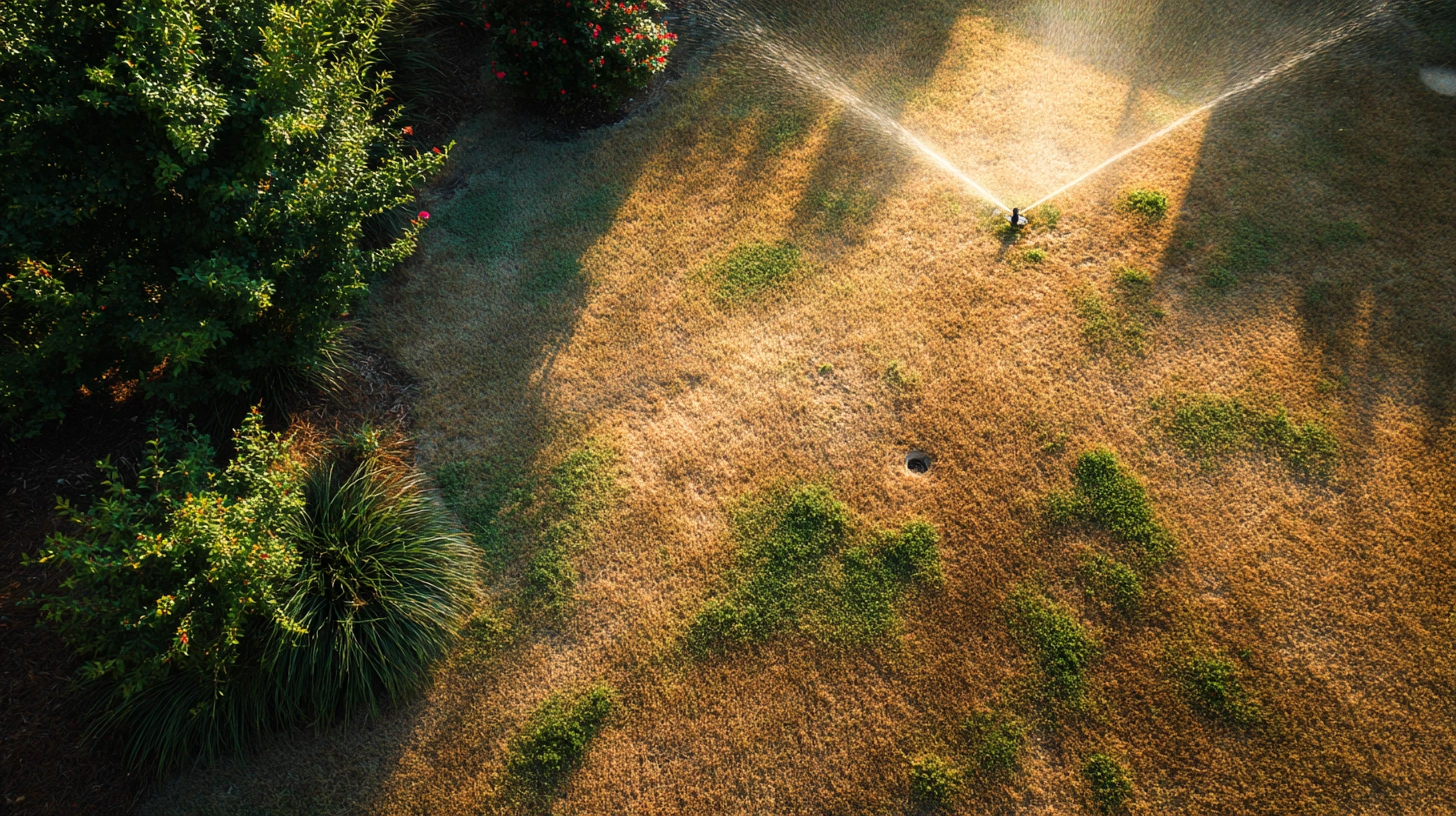
Discover how to nurse your new Zoysia through Texas heat and drought with smart watering, soil prep, and pest prevention tips.
Zoysia Lawn Issues in Texas: Survival & Establishment Tips
Introduction
If you planted Zoysia plugs or sod back in May, you probably expected a lush, green carpet by mid-summer. Instead, you're seeing patchy spots under that relentless Texas sun--sometimes yellowing, sometimes wilting--making you wonder if Zoysia's drought-tolerant reputation was oversold. Here's the thing: Zoysia is tough once established, but that first 2-3 weeks are critical. Think of it like a newborn calf in the Chihuahuan heat--it needs near-constant moisture to root in properly.
With daytime highs flirting with 100 degreesF and many communities under Stage 2 watering restrictions (one day a week for sprinklers), you're caught between ideal practices and local regulations. In this guide, I'll break down exactly why your new Zoysia is struggling, how to adapt your watering routine under drought constraints, and which simple cultural practices will help you turn those thin patches into a thick, resilient turf. Ready to coach your lawn to championship form? Let's jump in.
Understanding Zoysia Lawn Issues in Texas
Slow Establishment and Summer Heat
Zoysia (Z. japonica, Z. matrella) is a warm-season grass prized for dense growth and drought tolerance. But it's a slow mover--plugs can take 2-3 months to fill in, and even sod needs time to knit roots into soil. When summer heat soars into the upper 90s or 100s, those young roots struggle to keep up. Drought stress sets in quickly, turning blades yellow or brown.
Regional Water Restrictions
Many Texas municipalities enforce Stage 2 (or higher) water restrictions, limiting sprinkler irrigation to one set day per week. Even if you hand-water on off-days, those few minutes under a hose often can't match the deep, even soak Zoysia needs at establishment.
Common Causes of Zoysia Problems
Insufficient Establishment Watering
New Zoysia needs consistently moist soil--think light daily or every-other-day watering--for the first 2-3 weeks. Studies show 2-3 times weekly simply dries out too quickly in 95-100 degreesF heat[^1].
Soil Compaction and Thatch Layers
Texas soils often lean heavy on clay. Compacted ground chokes off oxygen and slows root growth, while natural thatch in new lawns can block water infiltration. Without good contact, plugs won't root deeply.
Disease and Pest Pressure
Heat-stressed turf is a magnet for brown patch and large patch diseases caused by Rhizoctonia fungi, plus chinch bugs and billbugs that chew on weakened roots and stems[^6][^7]. These issues often show up as circular brown areas or thinning patches.
Practical Solutions for New Zoysia
Optimized Watering Schedule Under Restrictions
-
Early-morning hand-water: Focus on patches that look driest. A five-minute soak around each plug or thin area helps.
-
Use a moisture meter: Aim for top 2 inches of soil to stay uniformly damp.
-
Gradually taper: After 3 weeks of frequent light watering, shift to deeper soaks (1" per week) to encourage roots to dive down.
Mowing and Maintenance Tips
-
Height matters: Keep Zoysia at 1.5-2 inches. Cutting more than one-third of blade length stresses the turf.
-
Sharp blades only: Dull mower blades tear grass, inviting disease. Sharpen mid-season to reduce ragged edges.
Soil Aeration and Top-Dressing
-
Core aerate: Late spring or early summer, punch holes to relieve compaction. Don't aerate during peak drought.
-
Light compost top-dress: A 1/4" layer of screened compost fills holes, feeds microbes, and improves structure once rainfall or irrigation returns.
Fertilization Guidelines
-
Delay feeding: Hold off on fertilizer until watering is reliable. Under drought, extra nitrogen only aggravates stress.
-
Moderate rates: 0.5-1 lb N per 1,000 sq ft per season, applied in late spring and early summer once roots are established[^4].
Disease and Pest Management
-
Scout early: Brown patch shows as rings of tan, water-soaked grass. Chinch bugs create tiny yellow flecks.
-
Spot-treat only: Fungicides or insecticides only after confirming damage. Check with your county extension office for product recommendations.

Ready to transform your lawn?
Get personalized AI guidance for the perfect lawn. Download Grassmaster Gus now!
Prevention Strategies for Long-Term Success
-
Prep before planting: Till and amend soil to break up compaction, add organic matter, and ensure good drainage.
-
Timing is everything: Aim to plant in late spring when soil temps reach 70 degreesF but before the driest, hottest stretch.
-
Watch the calendar: Avoid dethatching or heavy feedings during high heat or drought.
Timing Your Practices with Texas Weather
With statewide forecasts predicting mid-90s to 100 degreesF and scattered storms, stick to early-morning irrigation and hold off on major soil work. If you catch a good rain, skip feeding for a bit and let nature do its thing.
Safety Considerations
-
Chemical caution: Never apply fertilizers, fungicides, or insecticides during peak heat or drought unless absolutely necessary.
-
Follow labels: Always use recommended personal protective equipment and strictly adhere to application rates.
Conclusion
Nursing a new Zoysia lawn in the heart of a Texas summer is no small feat, especially when water restrictions put limits on your sprinkler system. But with a disciplined, tailored approach--frequent light watering at establishment, vigilant soil care, and smart timing--you can steer your turf away from thin, stressed patches toward the dense, green lawn you envisioned.
Remember: establishment is a marathon, not a sprint. Keep that moisture meter handy, sharpen those mower blades, and scout regularly for early signs of trouble. Stick to these straightforward steps, and before long, you'll have a Zoysia lawn that stands up to Texas heat like a champion.
Transform Your Lawn with AI-Powered Care
Join thousands of homeowners achieving their dream lawn with personalized guidance from Grassmaster Gus.
- AI-powered lawn analysis
- Personalized care schedules
- Expert advice 24/7
- Track lawn progress