Why Zoysia Grass Struggles in Northwest Indiana Lawns
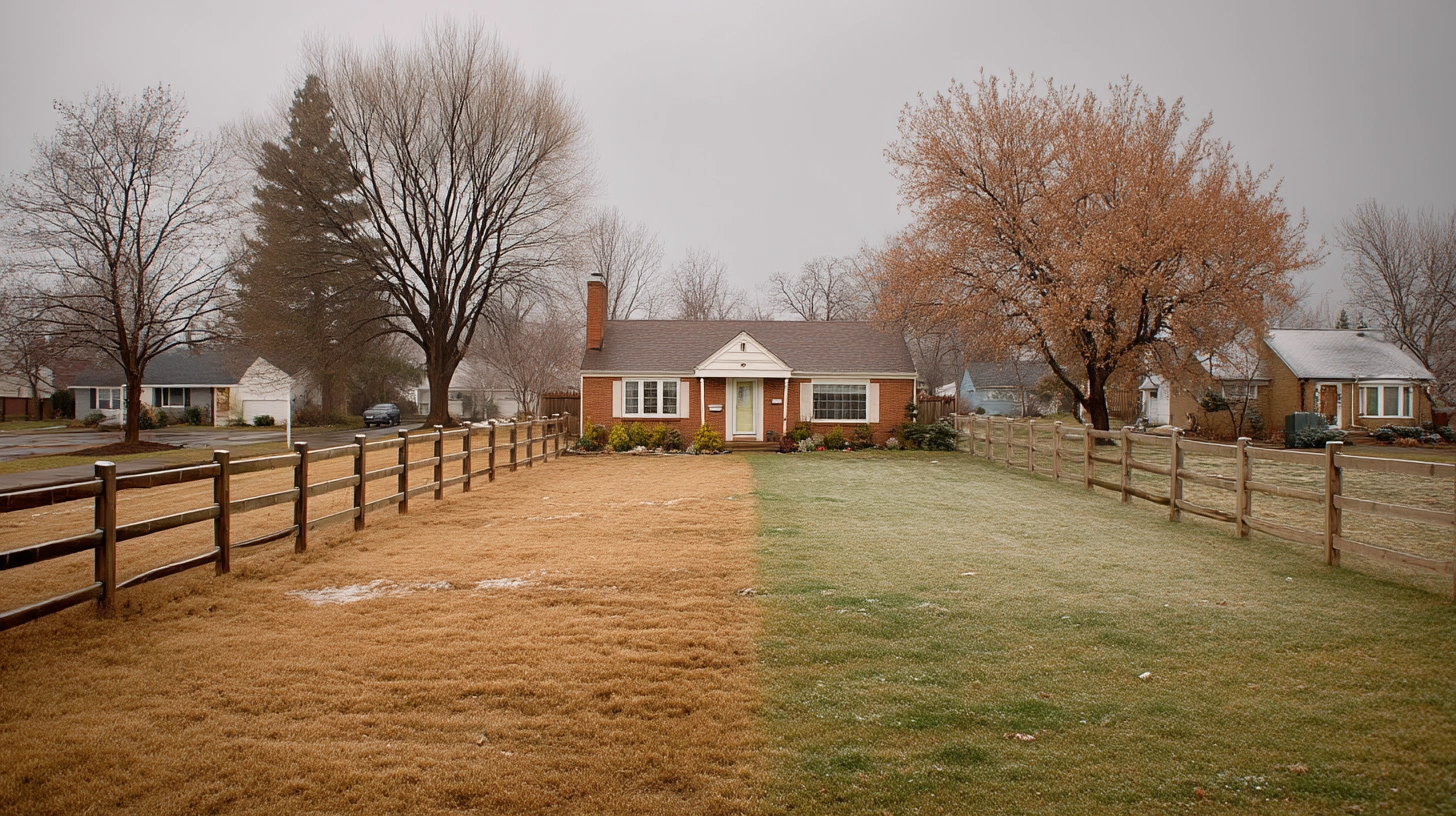
Discover why Zoysia japonica underperforms in Northwest Indiana and learn practical management tips or conversion strategies for a lush, green lawn.
Why Zoysia Grass Struggles in Northwest Indiana Lawns
Introduction
You've watched your neighbors boast a carpet of deep-green turf by mid-April, while your Zoysia japonica lawn remains a patchy brown mess well into May. If you're in Northwest Indiana and nursing a case of lawn envy, you're not alone. The warm-season turf that thrives down south often falters here, showing brown spots, slow spring green-up, and dead patches that leave homeowners scratching their heads.
In this guide, I'll walk you through why Zoysia grass Indiana lawns face chronic struggles, how to confirm you've really got Zoysia japonica, and what you can do--whether that means squeezing every last bit of performance out of your existing turf or converting to a cool-season champion like Kentucky bluegrass.
Drawing on Midwest extension recommendations and hands-on experience, you'll get clear, actionable steps to heal your brown spots Zoysia lawn or make a clean switch to a grass type built for our long winters and short summers. Let's dive in and turn that patchwork into pride.
Identifying Zoysia in Your Indiana Lawn
Before you tackle brown spots Zoysia lawn issues, make sure you've correctly identified the turf. Zoysia japonica sports medium-textured blades, rolled vernation (the way the leaf folds in the bud), and tiny hairs at the ligule or collar. It spreads with sturdy stolons and rhizomes, creating a dense, interwoven mat. If you're unsure, check out this turfgrass ID guide from the University of Nebraska.
Symptoms of a poorly performing Zoysia grass Indiana yard include:
Patches of brown or dead grass lasting from fall through mid-spring
Slow green-up in late May
Thin, uneven coverage compared to neighboring lawns
If your lawn ticks these boxes, it's likely Zoysia struggling outside its comfort zone.

Ready to transform your lawn?
Get personalized AI guidance for the perfect lawn. Download Grassmaster Gus now!
Why Zoysia Underperforms in Northwest Indiana
Although zoysia is celebrated in the Deep South for its heat tolerance and drought resistance, Northwest Indiana's climate flips the script. Here's why Zoysia problems Midwest lawns are so common:
Long Winters and Extended Dormancy
Zoysia is a warm-season grass that greens up once soil temperatures hit around 65 degreesF. In our region, that often doesn't happen until mid-late May. Then, by mid-October, the first frost can send it back to dormancy, turning large swaths brown for half the year.
Soil and Thatch Challenges
Zoysia loves well-drained, sandy soils. But many Indiana yards have heavier, compacted soils that stunt root growth. Combine that with Zoysia's tendency to build up thatch--a spongy layer of dead roots and stems--and you've got a recipe for shallow roots, poor water infiltration, and increased disease risk.
Pest, Disease & Stress Factors
Billbugs, grubs, and fungal issues like Large Patch find a comfy home in neglected Zoysia that's stressed by cold, moisture, or thatch. Purdue's extension notes that repeated freeze-thaw cycles leave culprits plenty of opportunity to damage your lawn under the insulating thatch layer.
Managing a Zoysia Lawn in a Cool-Season Climate
If you've decided to stick with your existing turf, you'll need to treat it like a high-maintenance variety. Here's how to squeeze out more green from a challenging species.
Maintenance Tips for Zoysia in Indiana
Mow low and often: Keep blades at about 1 to 1.25 inches to encourage dense turf and limit thatch buildup.
Fertilize smart: Aim for three light applications--April, June, and August--using up to 3 lbs of nitrogen per 1,000 sq ft per year (Illinois Plant Clinic).
Dethatch and aerate: Every 1-2 years, remove excess thatch and core aerate to relieve compaction and boost root development.
Water efficiently: Give 1 inch of water deeply and infrequently. Shallow, frequent watering encourages surface roots and invites drought stress.
Pest & Disease Control
Scout for grubs: Tug on suspect patches in August. If the turf lifts like a carpet, you've got larval damage.
Billbug watch: Look for yellowing or thinning in spring--dry, crumbly turf often hides tiny pests underneath.
Fungicide use: Only apply if you see clear signs of Large Patch or other fungal diseases. Follow label directions and local regulations (Purdue recommendations).
Considering Conversion to Cool-Season Turf
Let's be honest: maintaining Zoysia grass Indiana-style can feel like pushing a boulder uphill. Converting to a cool-season mix often pays off in earlier green-up, deeper roots, and fewer headaches.
Why Switch to Kentucky Bluegrass or Fescue
Cool-season grasses are bred for our longer, colder winters and milder springs. Kentucky bluegrass and fine fescues green up in early April and hold color into November. They handle freeze-thaw cycles with ease, resist compaction better, and recover quickly from wear.
Removing Zoysia: Step-by-Step Guide
Chemical removal: Apply a non-selective herbicide according to label rates in late spring when Zoysia is fully active.
Physical removal: After the turf dies back, sod-cut or shovel out the top 2-3 inches of soil and roots.
Till and amend: Loosen the soil, incorporate compost or sand as needed for drainage and root penetration.
Seed or sod: Choose a cool-season blend suited to your site--Kentucky bluegrass for a classic look, or a mix with tall fescue for shade tolerance and drought resilience.
Establish: Keep soil moist until seedlings reach 2 inches, then shift to a standard watering schedule.
Note: Overseeding Zoysia with bluegrass rarely works--Zoysia's dense mat chokes out new seedlings.
Conclusion
Managing Zoysia problems Midwest homeowners face takes dedication--constant dethatching, vigilant pest control, and tightly scheduled fertilizing. For many Northwest Indiana lawns, the better play is a fresh start with a cool-season lineup built for our weather.
Whether you decide to double down on specialized Zoysia care or convert to Kentucky bluegrass or fescue, you now have a roadmap. Your neighbors will be green with jealousy--only this time, it'll be your grass they're admiring.
Transform Your Lawn with AI-Powered Care
Join thousands of homeowners achieving their dream lawn with personalized guidance from Grassmaster Gus.
- AI-powered lawn analysis
- Personalized care schedules
- Expert advice 24/7
- Track lawn progress