Why You Can't Use Blindside Herbicide with Hose-End Sprayers
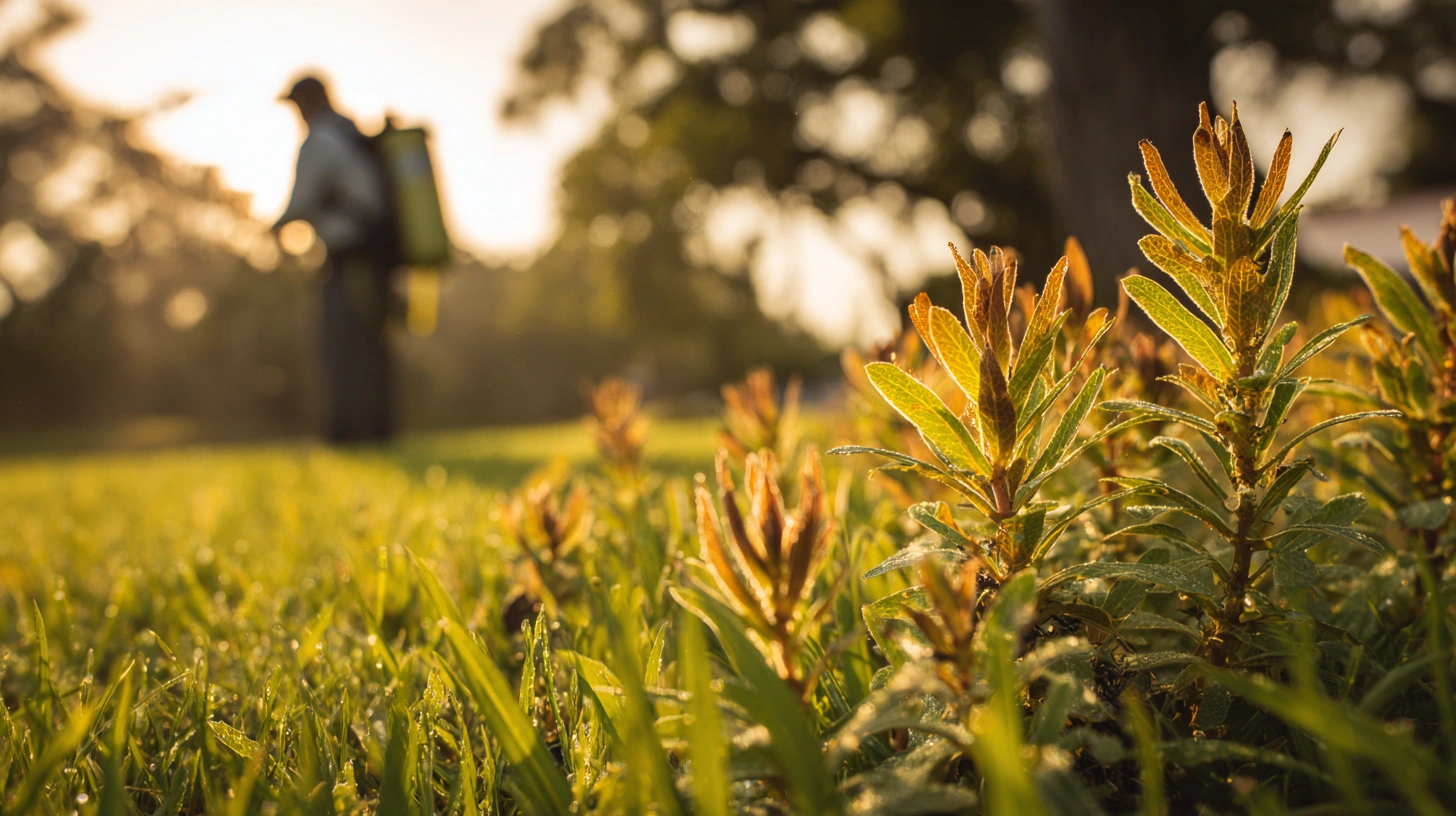
Discover why hose-end sprayers aren't the answer for applying Blindside herbicide in Central Florida lawns, and learn proper calibration tips.
If you've battled spurge in your Central Florida lawn, you know how quickly those pesky weeds can turn your lush St. Augustinegrass into a patchwork of bare spots. It's tempting to hook up a hose-end sprayer, dial in Blindside herbicide, and consider the job done. But this shortcut often backfires. Hose-end sprayers can't deliver the precise, low-rate application Blindside needs, risking incomplete weed control--or worse, turf injury.
In this guide, you'll learn why hose-end sprayers fall short, how to properly calibrate and apply Blindside, and which cultural practices give you the upper hand against spurge in USDA Zone 10a. By the end, you'll have a step-by-step plan to protect your warm-season turfgrass and keep your yard looking its best all season long.
Why Hose-End Sprayers Fall Short
Hose-end sprayers shine for quick chores, but when it comes to a potent product like Blindside, their convenience becomes a liability. Here's the lowdown:
- Inconsistent output: Water pressure in home systems fluctuates, leading to variable spray rates.
- Poor calibration: Most hose-end units lack a mechanism to fine-tune low herbicide concentrations.
- Turf safety risk: Overapplication scorches susceptible grasses like St. Augustine, zoysia, centipede, and bermuda.
Blindside requires just 0.15-0.23 oz per 1,000 sq ft to control spurge without damaging the lawn. With a hose-end, you're guessing at the mix. Both the manufacturer's label and UF/IFAS strongly discourage hose-end use for this reason. Instead, opt for gear designed to hold a steady output under chemical load.
The Right Way to Apply Blindside Herbicide
Switching to a calibrated sprayer transforms your results. Follow these steps:
-
Pick the right sprayer
Aim for a hand-pump, compression, or backpack unit rated for herbicides. These tools maintain consistent pressure throughout the job. -
Measure your area
Map out how many square feet you're covering. Accuracy here prevents wasted product and patchy control. -
Mix precise rates
- For 1,000 sq ft: 0.15-0.23 oz of Blindside.
- Example: A 2-gallon tank covering 5,000 sq ft needs 0.75-1.15 oz total.
-
Step-by-step calibration
- Fill tank with water only.
- Sprayer off: Mark volume (in ounces) needed to cover 100 sq ft.
- Calculate spray time per tank at your normal walking pace.
- Adjust pressure and nozzle until you hit the desired rate.
-
Target young weeds
Spot-treat actively growing spurge no larger than 2 inches. Concentrating on small patches delivers faster control. -
Allow proper dry time
Keep off the lawn until the spray dries--usually 2-4 hours--to avoid wash-off. -
Repeat if necessary
Tough spurge sometimes needs a follow-up in 10-14 days. Scout first to ensure new flushes are small.
I've seen homeowners rescue stressed lawns simply by ditching the hose-end and dialing in these precise steps.
Preemergence vs Postemergence Timing in Zone 10a
In Central Florida's prolonged warm season, prevention is as critical as a solid cure:
- Preemergence (Feb-Mar): Apply pendimethalin or prodiamine to stop spurge seeds before they sprout. Water in with light irrigation.
- Postemergence (Year-round): Use Blindside on small, actively growing plants. Heat and humidity speed up weed metabolism--letting the herbicide move efficiently through leaf tissue.
Miss the window and you'll face mature spurge that tolerates lower rates. Regular scouting every 7-10 days helps you catch new flushes while they're still young.
Integrating Cultural Practices for Spurge Control
Chemicals don't work in isolation. For long-term resistance:
- Maintain turf density: Mow at the recommended height (2.5-3 inches for St. Augustine) and follow a balanced fertilization schedule. Thick grass crowds out weed seedlings.
- Water wisely: Deep, infrequent watering encourages strong root systems. Avoid light sprays that favor fast-germinating weeds.
- Soil health: Aerate compacted patches in spring. Good air and water movement deter weed takeover and support healthy turf.
By combining these tactics with targeted herbicide spot treatments, your lawn becomes a hostile environment for spurge.

Ready to transform your lawn?
Get personalized AI guidance for the perfect lawn. Download Grassmaster Gus now!
Monitoring and Follow-Up: Staying Ahead of Spurge
Even after a perfect application, vigilance pays dividends:
- Regular inspections: Walk your lawn weekly. Look for fresh green rosettes of spurge along pathways, driveways, and shaded areas where turf thins.
- Record treatments: Note dates, products, and areas treated. This log helps you spot patterns and optimize future timing.
- Edge management: Trim back grass around flower beds and sidewalks. Weed seeds often germinate in those border zones.
A little attention now means fewer labor-intensive battles later.
Safety and Regulatory Considerations in Central Florida
Florida law and best practices ensure you protect yourself and the environment:
- Anti-siphon devices: Required on any connection to a potable water source. They prevent chemical backflow.
- Personal protective equipment: The Blindside label mandates gloves, long sleeves, pants, and eye protection.
- Restricted-entry interval: Keep people and pets off treated turf until the spray has fully dried.
- Runoff prevention: Don't apply before heavy rain. Local regulations under Ch. 487 prohibit unintentional pesticide runoff into waterways.
Read and follow the full label instructions before mixing.
Timing and Weather Tips for Florida Lawns
Weather can make or break your efforts:
- Avoid pre-rain windows: A 24-48 hour dry period after spraying ensures uptake.
- Skip extreme heat: Temperatures above 90 degreesF can stress turf and reduce herbicide efficacy.
- Watch wind speeds: Drifting spray leads to non-target injury in flower beds or waterways.
Plan your treatment for calm mornings with moderate temperatures. Check local forecasts and adjust accordingly.
Conclusion
Resorting to a hose-end sprayer with Blindside might seem like a time-saver, but it's a shortcut that often ends in patchy results or damaged turf. By investing a bit more effort into proper calibration, using hand-pump or backpack sprayers, and blending cultural strategies--like maintaining turf density and timing preemergence treatments--you'll control spurge effectively in Central Florida's warm-season lawns.
Remember: follow label guidelines, suit up with PPE, install that anti-siphon device, and stay on top of weather conditions. With these steps, your yard will reward you with thick, weed-resistant grass that turns heads for the right reasons.
Transform Your Lawn with AI-Powered Care
Join thousands of homeowners achieving their dream lawn with personalized guidance from Grassmaster Gus.
- AI-powered lawn analysis
- Personalized care schedules
- Expert advice 24/7
- Track lawn progress