What's Digging Those Inch-Wide Holes in Your Maryland Lawn?
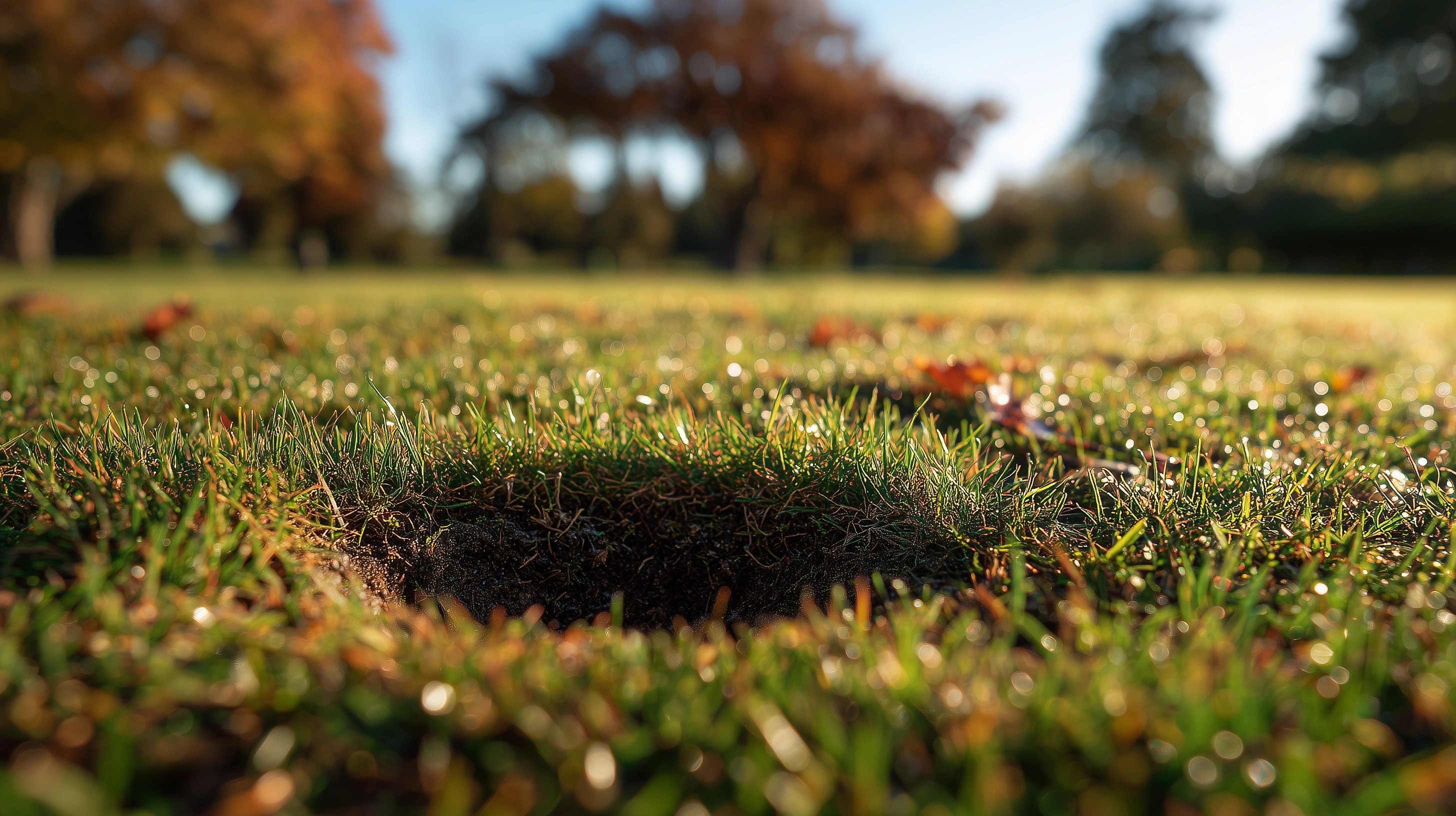
Learn how to identify whether voles, mice, shrews, snakes, or other critters are digging 1-inch holes in your Maryland lawn--and what to do next.
What's Digging Those Inch-Wide Holes in Your Maryland Lawn?
Introduction
You're out enjoying a cool fall morning in Maryland, coffee in hand, when you notice a tidy little hole--about an inch wide--staring back at you from your turf. It's not a mole's handiwork (those tunnels are far bigger), so what's causing these neat, round entrances? Before you start slapping on more fertilizer or overseeding again, it pays to know what--and who--is lurking beneath your grass.
In this post, we'll break down the five most likely lawn invaders leaving inch-wide holes in Maryland cool-season lawns. You'll learn how to spot the difference between voles, mice, shrews, snakes, and even solitary bees or wasps. Better yet, you'll get straight-forward, practical tips to manage each culprit and restore your turf to that pristine, racket-free condition your neighbors will envy.
1. Voles (Meadow Mice)
Hole size: 3/4"-11/4" diameter
Voles are the classic suspects when you see perfectly round entree points lined up like a suburban sidewalk. These little field mice carve out shallow burrows just under the grass surface, often leaving a compacted "runway" where they zip back and forth hunting roots and stems.
Signs to watch for:
Glazed, smooth tracks through the turf
Tiny piles of clipped grass or plant bits near holes
Nibbled bulbs or tender plant stems in garden beds
Why they love your yard: Voles thrive in areas with heavy ground cover, like a thick thatch or recently seeded patches. That dense cover gives them both food and protection from hawks or owls.
Responsibility tip: Trim back any dense vegetation around foundations and keep your grass at a tidy 21/2-3" height. A well-groomed lawn is no buffet for voles.
2. Field Mice (Peromyscus spp.)
Hole size: about 1" diameter
Field mice dig burrows under solid edges--think foundation walls, woodpiles, or large rocks. Their tunnel entrances are neat and circular but often hide beneath something sturdy.
Signs to watch for:
Small, rice-shaped droppings near the hole
Gnawed wood or chewed cables around foundations
Occasional surface runways, though less obvious than voles
Why they're here: These mice crave dry, sheltered spots. Your foundation vents, gaps around pipes, or stacked lumber provide a perfect hideaway.
Responsibility tip: Seal any foundation cracks or gaps with steel wool and caulking. Stay ahead of those curious gnawers.
3. Shrews
Hole size: ~1" diameter
Shrews look a lot like mouse or vole holes but usually pop up in damp sections of the yard--near sprinkler heads, low spots, or perennial beds. Rather than munching on grass roots, shrews are after grubs and insects.
Signs to watch for:
Less defined runways, more churned soil around holes
Decreased grub activity if they're doing their job
No plant damage--just disturbed bug life beneath the turf
Why they visit: Shrews follow an all-you-can-eat buffet of earthworms and lawn grubs. If your yard's a bug haven, shrews won't be far behind.
Responsibility tip: Shrew activity often signals grub problems. Consider a targeted grub treatment next spring to reduce both pests.

Ready to transform your lawn?
Get personalized AI guidance for the perfect lawn. Download Grassmaster Gus now!
4. Snakes
Hole size: usually repurposed rodent entrances
Snakes don't dig fresh holes; they inherit them. If you spot rougher edges around a 1" entrance--maybe even shed skin nearby--there could be a snake taking shelter.
Signs to watch for:
Crumbly tunnel edges rather than smooth
Shed skin fragments or snake droppings containing fur/bones
No consistent runway patterns
Why they pop up: Your yard's rodent population is snake buffet. Once a field mouse or vole clears out, snakes move in to hunt or rest.
Responsibility tip: Once you're sure the tunnel's empty, plug it with steel mesh buried just under the soil surface. That locks out unwanted reptile roommates.
5. Solitary Ground Bees or Wasps
Hole size: 1/4"-" diameter (much smaller than your typical 1")
Even though these holes are much smaller than the others, it's worth mentioning them. Their clean-edged "punch-holes" are usually in sun-baked, bare spots.
Signs to watch for:
Bees/wasps flying in and out of the hole
No chewing or burrow runs in turfgrass
Why they nest: These pollinators keep your garden humming throughout the season. Lucky for you, an inch-wide hole is too big for most solitary bees or wasps--so they're probably not your culprit.
How to Narrow It Down
Inspect the hole edge:
Smooth, neat circle vole or mouse.
Crumbly, rough edges snake's former digs.
Search for runways:
Shallow, glazed tracks voles.
No clear tracks but droppings mice or shrews.
Check for droppings:
Dark, pellet-shaped rodent.
Fur or bone fragments snake.
Watch at dawn/dusk: Set up a motion-activated camera or use a low-light flashlight to catch the culprit in action.
Management Tips
Keep grass trimmed to 21/2-3" and cut back heavy mulch or thatch layers.
Clear dense ground cover near foundations, woodpiles, or rock beds.
Seal gaps around foundations, vents, and pipes with rodent-proof materials.
For voles and mice:
Use mailbox-style trap tubes baited with peanut butter for mice.
Deploy live traps or call a pro for larger infestations.
For snakes: Once the tunnel is vacated, seal the entrance with steel mesh under a shallow soil cover.
For shrew-signaled grub issues: Plan a targeted grub control next spring to reduce both bugs and shrews.
When to Seek Professional Help
Holes are multiplying quickly or you spot larger mounds of soil (possible moles).
You find evidence of structural gnawing or plant damage.
You encounter venomous snakes or aren't comfortable handling traps.
Conclusion
Figuring out who's making inch-wide holes in your Maryland lawn comes down to matching hole size, runway patterns, and nearby clues. Once you've identified voles, mice, shrews, snakes, or bees, you can use targeted, practical steps--like trimming ground cover, sealing foundation gaps, and setting traps--to restore your turf to tip-top shape.
With these tips in your back pocket, you'll be ready to tackle fall renovation head-on and keep your lawn looking sharp until spring. Happy landscaping!
Transform Your Lawn with AI-Powered Care
Join thousands of homeowners achieving their dream lawn with personalized guidance from Grassmaster Gus.
- AI-powered lawn analysis
- Personalized care schedules
- Expert advice 24/7
- Track lawn progress