Ultimate Lawn Disease Indiana Guide: Control & Treatment
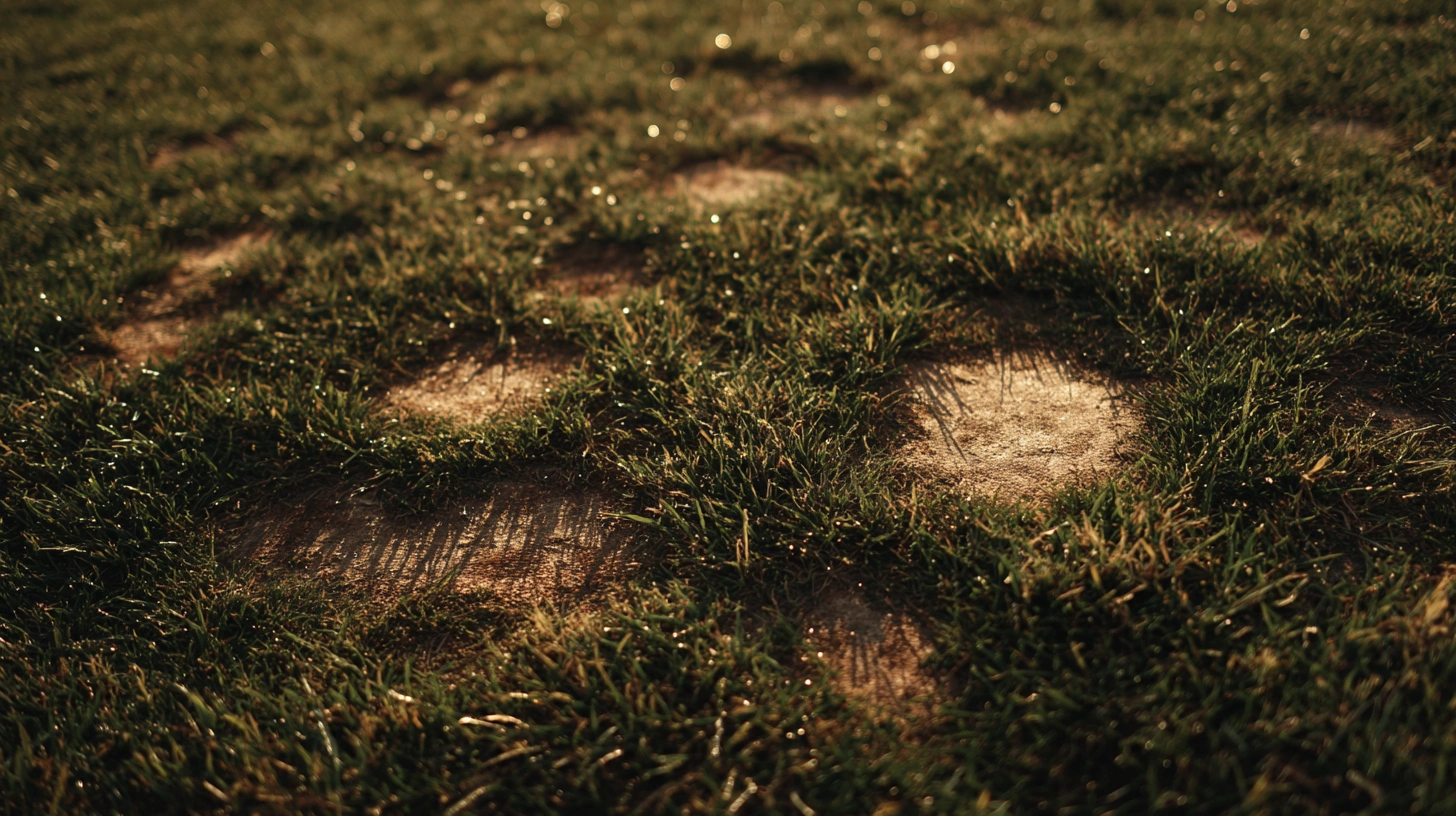
Learn to spot and stop Indiana's common lawn diseases--brown patch, dollar spot & more--with expert fungicide rotation and cultural tips.
Ultimate Lawn Disease Indiana Guide: Control & Treatment
Introduction
Picture this: you step onto your crisp morning lawn only to find straw-colored circles and pale patches creeping across your cool-season turf. It's as deflating as a flat tire--especially when you've been diligent with mowing and watering. I'm your seasoned turf coach from Grassmaster Gus, and I've tackled every lawn disease Indiana homeowners face, from brown patch in humid July nights to dollar spot in dewy spring mornings.
In this guide, you'll learn how to identify the five most common lawn diseases in Indiana--Brown Patch, Dollar Spot, Pythium Blight, Gray Leaf Spot, and Summer Patch--and take decisive action. We'll dive into symptom recognition, compare azoxystrobin vs. propiconazole for effective treatment, and outline a straightforward lawn fungicide rotation plan. Along the way, I'll share cultural controls and safety pointers that keep your grass greener without needless chemicals. Ready to stop fungal foes in their tracks? Let's dig in.
Problem Identification
When humid nights and warm days collide in Indiana, your Kentucky bluegrass, perennial ryegrass, or tall fescue becomes an open invitation to pathogens. Here's what to look for:
- Brown Patch: Circular, straw-colored patches up to several feet wide with grayish margins. Often appears after a spell of 70-90 degreesF nights and heavy dew.
- Dollar Spot: Silver dollar-size spots that coalesce into larger blotches. Look for reddish-brown lesions on leaf blades.
- Pythium Blight: Rapidly enlarging, greasy-looking patches with cottony white mycelium in early morning humidity.
- Gray Leaf Spot: Water-soaked lesions that turn rectangular with yellow halos, primarily on tall fescue and perennial ryegrass.
- Summer Patch: Irregular tan patches with "frog-eye" centers where grass in the middle survives.
Accurate diagnosis is step one in any cool-season grass disease battle. If you're unsure, send a sample to your county extension office or check the University of Delaware Extension for detailed photos.
Causes and Contributing Factors
Your lawn doesn't get sick on its own. These conditions fuel Indiana's turfgrass diseases:
- High Humidity & Warm Nights: Evening irrigation and heavy dew create a moisture blanket for spores to germinate.
- Overfertilization: A heavy nitrogen boost in late spring feeds grass--but it also feeds fungi.
- Poor Air Circulation: Thick canopies and nearby shrubs slow drying, prolonging leaf wetness.
- Thatch & Compaction: When thatch exceeds 1/2 inch or soil is compacted, water pools and roots suffocate.
Tackling these factors early makes fungicide applications far more effective--and often prevents the need for one.
Solutions and Treatments
Fungicide Options
When preventive measures aren't enough, it's time for chemical back-up. Two workhorses for Indiana lawns are azoxystrobin and propiconazole:
-
Azoxystrobin (QoI class)
- Broad-spectrum control: brown patch control, gray leaf spot, Pythium blight.
- Systemic action moves through leaf tissue--best used before symptoms hit or at first sign.
- Preventive strength: apply under humid forecasts or after heavy rain.
-
Propiconazole (DMI class)
- Very effective on dollar spot fungicide control, brown patch, and anthracnose.
- Both preventive and curative--works on active infections if you catch them early.
Rotation Matters: Constant use of one product invites resistance. Alternate QoI and DMI modes of action or tank-mix with a multisite fungicide like chlorothalonil for robust management (Purdue University Turfgrass Science).
Cultural Controls
Chemical control works best alongside cultural smarts:
- Mow at the proper height (2.5-3.5 inches for Kentucky bluegrass). Never cut more than one-third of blade length at once.
- Water in the early morning (4-8 am) to minimize leaf wetness duration.
- Maintain balanced fertility. Hold off on heavy nitrogen from late spring through summer.
- Dethatch when layers exceed 1/2 inch, and aerate compacted zones to improve drainage.
Simple tweaks like these often reduce disease pressure enough to skip a fungicide application or two.
Prevention Strategies
True championship lawns are defended, not just treated. Establish these habits:
- Fungicide Rotation: Plan your lawn fungicide rotation in advance. Switch between azoxystrobin vs. propiconazole--or alternate with a multisite partner--throughout the season.
- Resistant Cultivars: When overseeding, choose turfgrass varieties bred for disease resistance.
- Tool Hygiene: Clean mower blades and spreader tires to stop pathogen hitchhikers.
Consistency here makes all the difference in long-term disease management.

Ready to transform your lawn?
Get personalized AI guidance for the perfect lawn. Download Grassmaster Gus now!
Timing and Application Guidelines
- Preventive First: Apply systemic fungicides before disease-favorable weather--warm nights over 60 degreesF with humidity above 85%.
- Early Action: At first sight of spots, switch to a curative DMI like propiconazole. Early morning scouting pays dividends.
- Label Is Law: Always follow label rates and reapplication intervals. Under-dosing invites resistance; over-dosing risks turf and the environment.
Avoid applications immediately before heavy rain unless the label specifies rainfastness.
Safety Considerations
Protect yourself, your family, and the environment:
- Wear gloves, long sleeves, and eye protection when mixing and applying fungicides.
- Keep kids and pets off treated areas until the product's re-entry interval has passed.
- Store chemicals in their original containers, locked away and out of direct sunlight.
- Verify any local restrictions, but Indiana has no additional bans on azoxystrobin or propiconazole for home lawns. Check the Indiana Office of State Chemist for registration details.
Regional Specifics
Indiana's cool-season grass region leans heavily on Kentucky bluegrass, tall fescue, and perennial ryegrass. Disease outbreaks typically run from late spring through early fall. While we don't face tropical pathogens, our summer humidity and afternoon storms create ideal conditions for brown patch and dollar spot to take root.
Weather Relevance
Weather is your silent partner in disease control. Dry, cool conditions curb fungal growth--if the forecast turns muggy, those are your cues for preventive sprays. I often check morning dew forecasts and local radar before grabbing a sprayer. Timing fungicides just ahead of a warm, wet stretch keeps pathogens from getting a foothold.
Conclusion
Managing lawn disease in Indiana doesn't require a PhD--just a clear eye, good timing, and a solid plan. Start by correctly identifying brown patch, dollar spot, Pythium blight, gray leaf spot, and summer patch. Combine cultural controls like proper mowing and watering with a smart lawn fungicide rotation--alternating azoxystrobin vs. propiconazole--for both preventive and curative power. Keep safety front of mind with the right PPE and by following label rules.
By staying one step ahead of humidity and closely monitoring your cool-season grass disease signs, you'll enjoy a lush, green lawn that's the envy of the neighborhood. Now grab your tools, check the weather, and get to work--your healthiest lawn yet is within reach.
Transform Your Lawn with AI-Powered Care
Join thousands of homeowners achieving their dream lawn with personalized guidance from Grassmaster Gus.
- AI-powered lawn analysis
- Personalized care schedules
- Expert advice 24/7
- Track lawn progress