Troubleshooting Spring Dead Patches in Bermuda Lawns
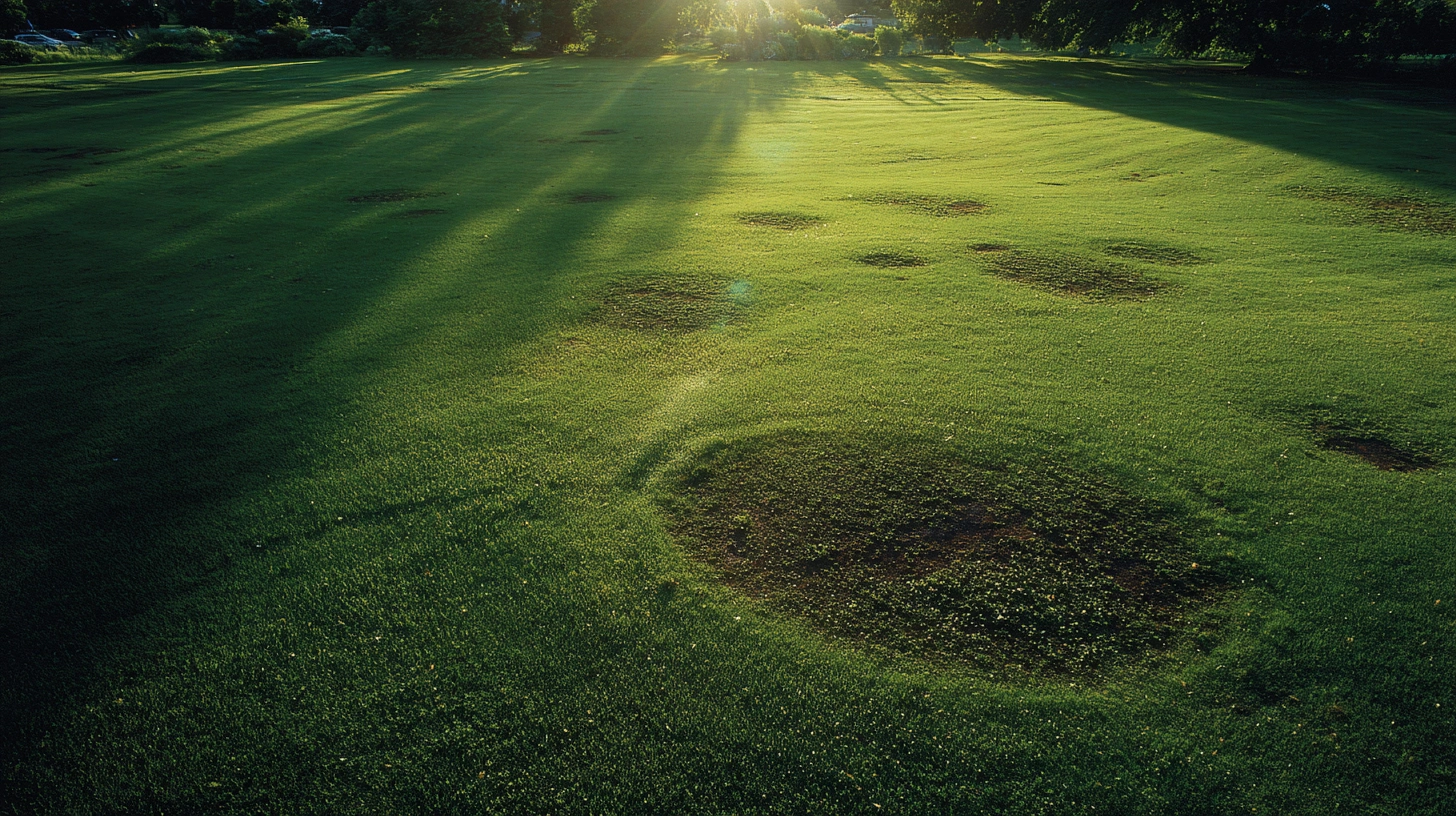
Learn to diagnose whether grubs or Spring Dead Spot are tearing up your Bermuda in Zone 8b, and apply the right preventive treatments to restore your lawn.
Troubleshooting Spring Dead Patches in Bermuda Lawns
Introduction
Every spring, you might notice the same circular brown patches reappearing in your Bermuda lawn. It's frustrating--one moment your NorthBridge grass looks ready for a backyard BBQ, and the next, you have bald spots that refuse to green up. Before you break out a full bag of fertilizer or resign yourself to a patchy yard, let's zero in on what's really going on below the surface. In USDA Zone 8b, two suspects tend to steal the show: Spring Dead Spot (a fungal root rot) and white grub infestations. Though both leave the turf "lifting like a carpet," the root cause and treatment windows differ.
In this guide, you'll learn how to spot distinguishing symptoms, test the soil and turf, and choose the right preventive or curative action--plus timing tips so you're never too early or too late. By the end, you'll have a clear plan to restore your Bermuda's health and keep those patches from coming back.
Problem Identification
Spot the Symptoms
- Dead, circular patches (6-18 inches across) showing first in early spring as the grass starts greening up.
- Turf lifts easily with no root mass--sometimes the entire stolon network peels away.
- Patches reappear in the same spots each year.
Diagnostic Steps
- Check for Grubs: Lift a section of sod in the morning when grubs are near the surface. Finding 5+ grubs per square foot indicates an infestation.
- Inspect Root Color & Texture: Healthy Bermuda roots are white and firm. Dark, mushy roots point to Spring Dead Spot or Take-All Root Rot. See Spring Dead Spot in Turf.
- Observe Leaf Detachment: With some fungal patch diseases like Large Patch, leaf tissue may detach, leaving the stolon network intact. If the whole turf lifts, root rot or grubs are the prime suspects.
Causes and Contributing Factors
Fungal Culprits
- Spring Dead Spot (Ophiosphaerella spp.) loves cool, wet winters and thatch-heavy lawns. It attacks roots and stolons, causing blackened tissue and that vacant look in early spring.
- Take-All Root Rot and Large Patch (Rhizoctonia solani) can produce similar symptoms but often show distinct ring patterns or leaf-blight first. Both thrive in over-fertilized, poorly drained soils.
Key contributors:
- Excess late-season nitrogen
- Thatch thicker than 1/2 inch
- Compacted or poorly drained sites
- Cold winter temperatures followed by rapid warming
White Grub Activity
White grub larvae chew through roots, leaving the turf unsupported. Although egg laying peaks in late summer, damage can show up in spring if root loss was severe. Moist, thatchy soils encourage beetles to oviposit.
Solutions and Treatments
Tackling Spring Dead Spot (SDS)
- Timing: Preventive applications in fall when soil temperatures are 60-70 degreesF (typically October-November in Zone 8b).
- Fungicide Selection: Rotate FRAC codes--Propiconazole (FRAC 3) one pass, Azoxystrobin (FRAC 11) the next. Never tank-mix unless you're using a manufacturer-validated premix.
- Application Tips: Use at least 2 gallons of carrier per 1,000 ft for soil penetration. Repeat in 3-4 weeks if risk is high.
Note: Spring or summer applications rarely cure established SDS. Focus efforts on the prior fall.
Managing White Grubs
- Preventive: Apply chlorantraniliprole (e.g., GrubEx) mid-April to early June for season-long grub suppression.
- Curative: Use trichlorfon or carbaryl only if you spot active grubs (best done late summer/early fall).

Ready to transform your lawn?
Get personalized AI guidance for the perfect lawn. Download Grassmaster Gus now!
Prevention Strategies
- Aerate Annually: Break up compaction, improve drainage, and lower thatch buildup.
- Thatch Management: Dethatch if layer exceeds 1/2 inch--thatch harbors both fungus and grub eggs.
- Balanced Fertility: Avoid heavy nitrogen in late summer or fall; maintain adequate potassium.
- Overseeding & Dividing: For very sparse areas, dethatch first, then lay fresh Bermuda plugs in early spring.
Timing and Application Guidelines
| Treatment | Window | Notes |
|---|---|---|
| SDS Fungicides | Oct-Nov | Soil 60-70 degreesF; repeat in 3-4 weeks |
| Preventive Grub | Mid-Apr to Early Jun | One application covers season |
| Curative Grub | Late Summer/Early Fall | Only if >5 grubs/ft |
Safety Considerations
- Always wear gloves, goggles, and a mask when handling chemicals.
- Read and follow all label instructions for rate, PPE, and re-entry intervals.
- Rotate fungicides by FRAC code to deter resistance buildup.
- Avoid spraying before heavy rain--excess runoff diminishes effectiveness.
Conclusion
Dead patches in Bermuda grass can be a real headache, but with a systematic approach you'll know exactly whether you're up against fungal rot or hungry grubs. Proper diagnosis (lifting the sod, inspecting roots, and counting grubs) points you to the right product and timing--fall fungicide rotations for Spring Dead Spot or spring grub preventives to protect roots.
Combine those targeted treatments with cultural habits--annual aeration, thatch control, and balanced fertility--and your NorthBridge Bermuda will bounce back and stay thick for years to come. Grab your shovel and sprayer this fall and get ahead of next spring's patches. Your lawn (and future backyard cookouts) will thank you.
Transform Your Lawn with AI-Powered Care
Join thousands of homeowners achieving their dream lawn with personalized guidance from Grassmaster Gus.
- AI-powered lawn analysis
- Personalized care schedules
- Expert advice 24/7
- Track lawn progress