St. Augustine vs. Bermuda in DFW: Identify & Spread the Best
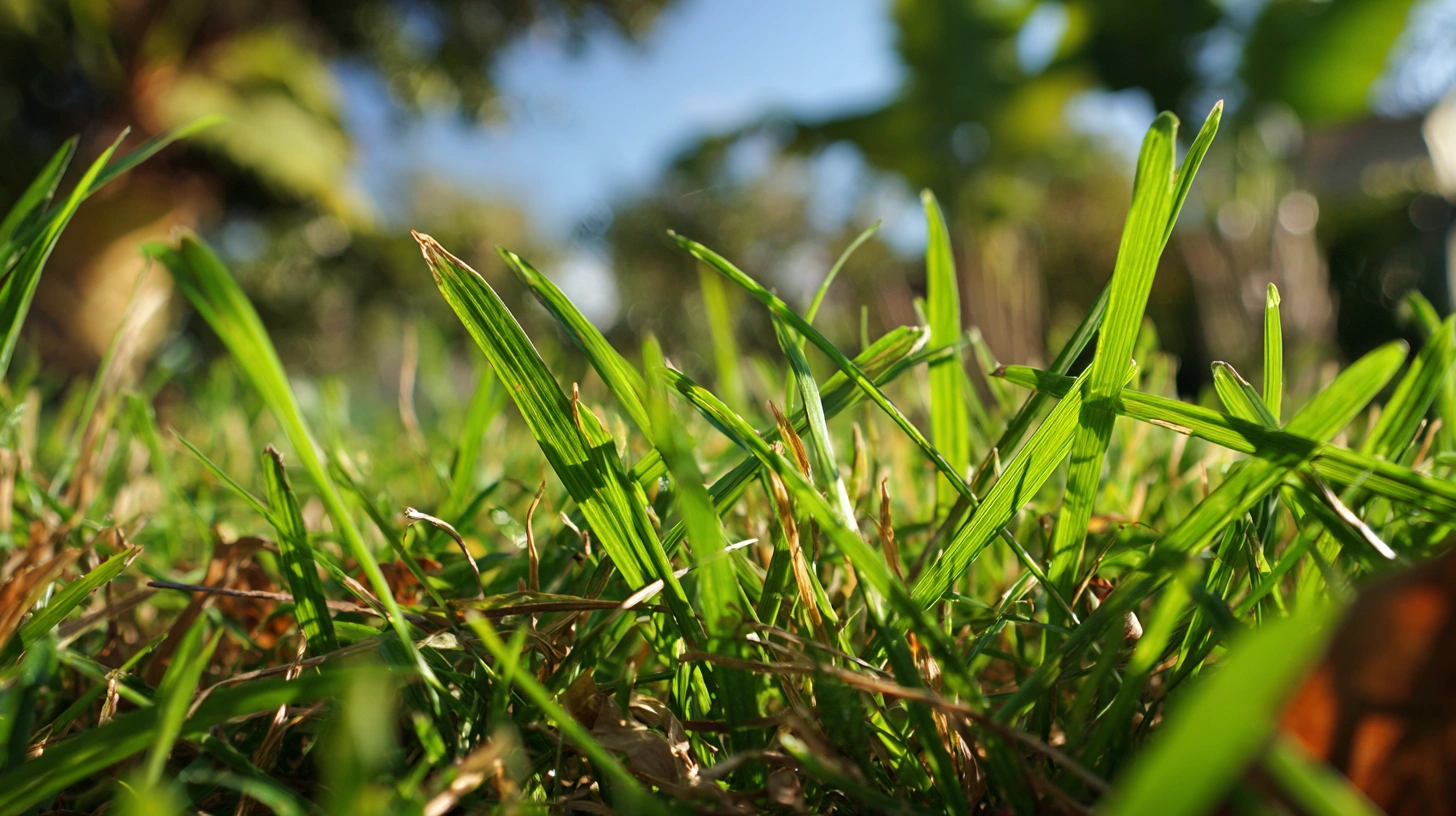
Learn how to spot whether St. Augustine or TifTuf Bermuda is overtaking your DFW lawn and get expert tips to encourage your ideal turf.
St. Augustine vs. Bermuda Grass in DFW: Identify and Encourage Your Winner
Introduction
Ever notice a lush, dark-green patch creeping into your once-uniform turf? If you live in the Dallas-Fort Worth area, you've likely got St. Augustine or TifTuf Bermuda making a play for turf dominance. Both warm-season grasses have their strengths: St. Augustine thrives in shade, while TifTuf Bermuda holds its ground in drought. Picking the grass you want in your yard comes down to identifying which one's advancing, then giving it the edge, all while keeping water use legal.
In this guide, you'll learn how to tell these grasses apart, understand local watering restrictions, and follow straightforward steps to encourage the variety that suits your lawn's light, moisture, and traffic conditions. I've helped neighbors across North Texas tackle mixed lawns under scorching summer sun and shady oaks--so let's walk through the science, practical tips, and timing that'll put you back in control of your turf.
Why Your DFW Lawn May Be a Grass Battleground
DFW summers routinely hit 90-105 degreesF, and intermittent thunderstorms make irrigation rules tight. Your yard's shady corners favor St. Augustine's broad, carpet-like blades, while open sunny spots reward TifTuf Bermuda's deep roots and drought tolerance. Add tree roots and city water restrictions--no irrigation between 10 am and 6 pm, twice-weekly schedules--and you've got the perfect breeding ground for a lawn skirmish.
Understanding St. Augustine Grass
St. Augustine (Stenotaphrum secundatum) is your go-to when shade is the game-changer. Here's what sets it apart:
- Shade Tolerance: Performs well with 4-6 hours of filtered sun.
- Blade Characteristics: Wide, soft blades that form a dense carpet.
- Water Needs: Prefers deep, infrequent watering--about 1-1.5 inches per week.
- Mowing Height: Keep it at 3-4 inches to maximize leaf surface in shade.
- Weaknesses: Less drought-tolerant than Bermuda; watch for chinch bugs in humid spots.
When St. Augustine thrives, you'll see solid, broad swaths of rich green pushing out finer-bladed turf.
TifTuf Bermuda: Drought Champion
TifTuf Bermuda (Cynodon dactylon x transvaalensis) is bred to outlast dry spells:
- Sun Requirements: Needs at least 6-8 hours of direct sunlight.
- Drought Resistance: Uses roughly 38% less water than standard Bermudas.
- Blade Characteristics: Fine, dense blades; creates a carpet under high sun.
- Mowing Height: 0.5-2 inches; frequent cuts encourage thicker stands.
- Fertilization: Apply a balanced formula (like 16-4-8) 3-4 times during the growing season.
If your lawn's drier zones look powdery green even under heat, TifTuf Bermuda is likely your front-runner.
Identifying Your Sprouting Superstar
Blade Size, Color, and Growth Pattern
Compare blades side by side:
- St. Augustine: Wide, flat, mid-green. Spreads via stolons (aboveground runners).
- Bermuda: Narrow, upright, lighter green. Spreads via stolons and rhizomes (underground runners).
Grab a handful, rub gently--St. Augustine feels softer, Bermuda is coarser.
Shade and Sun Performance Clues
- Shady Patches: Dark, dense carpets signal St. Augustine.
- Sunny Swaths: Sparse, resilient spots in full sun point to Bermuda.
If a shady tree canopy shelters a lusher patch, odds are St. Augustine is muscling in.

Ready to transform your lawn?
Get personalized AI guidance for the perfect lawn. Download Grassmaster Gus now!
Encouraging the Grass You Want
If St. Augustine Is Winning
- Prune Trees: Increase filtered light by trimming lower branches.
- Adjust Mower Height: Raise deck to 3-4 inches in shaded areas.
- Deep Watering: Use soaker hoses or cycle-and-soak methods outside 10 am-6 pm. Aim for 1-1.5 inches weekly.
- Fertilize Smart: Spring and early summer, apply a slow-release, balanced N-P-K fertilizer.
- Plug It In: Fill thin spots with St. Augustine plugs or sod. Mid-spring to early summer is prime time.
- Pre-emergent Herbicides: Control weeds and unwanted Bermuda shoots in early spring/fall.
If TifTuf Bermuda Has the Edge
- Sunlight Maximization: Remove low-hanging limbs; relocate planters that shade turf.
- Frequent Mowing: Keep height between 0.5-2 inches, mowing every 5-7 days during peak growth.
- Moderate Watering: One inch per week, timed for early morning or late evening.
- Seasonal Feed: Four light applications of a 16-4-8 fertilizer from late spring through summer.
- Overseed or Plug Bare Spots: Use TifTuf sprigs or sod in mid-to-late spring.
Navigating DFW Watering Restrictions
DFW cities enforce twice-weekly irrigation from April through October:
- No watering between 10 am and 6 pm.
- Even-address homes: Water on Wednesday & Saturday.
- Odd-address homes: Water on Thursday & Sunday.
- Hand watering/soaker hoses: Allowed any time, as long as there's no runoff.
Always check your city's latest rules--Fort Worth and Dallas often update restrictions during droughts.
Timing and Techniques for Better Results
- Mid-Spring to Early Fall: Ideal window for seeding, plugging, and feeding both grasses.
- Soil Testing: Aim for pH 6.0-7.5--amend with lime or sulfur as needed.
- Cycle-Soak Watering: Break a single irrigation session into short cycles to improve absorption and avoid runoff.
- Monitor Weather: Skip scheduled watering if a storm's on the forecast.
Preventing Unwanted Spread
- Edging: Install physical barriers or lawn edging where grasses meet driveways or beds.
- Selective Herbicides: Spot-treat creeping Bermuda in St. Augustine zones--always follow label instructions.
- Routine Inspection: Quarterly checks for new runners at property lines or beds.
Conclusion
Choosing between St. Augustine and TifTuf Bermuda in your DFW lawn comes down to light, water, and personal preference. Once you can identify which grass is winning, follow the mower, water, and fertilization tweaks laid out here--timed to local watering rules--and you'll tip the turf war in your favor. With a little pruning, plugging, and the right schedule, you'll have a uniform, resilient lawn built for North Texas heat and shade. Now grab your soil probe and gloves--it's game time for your turf!
Transform Your Lawn with AI-Powered Care
Join thousands of homeowners achieving their dream lawn with personalized guidance from Grassmaster Gus.
- AI-powered lawn analysis
- Personalized care schedules
- Expert advice 24/7
- Track lawn progress