Safe Poison Ivy & Pokeweed Control in Cincinnati Yards
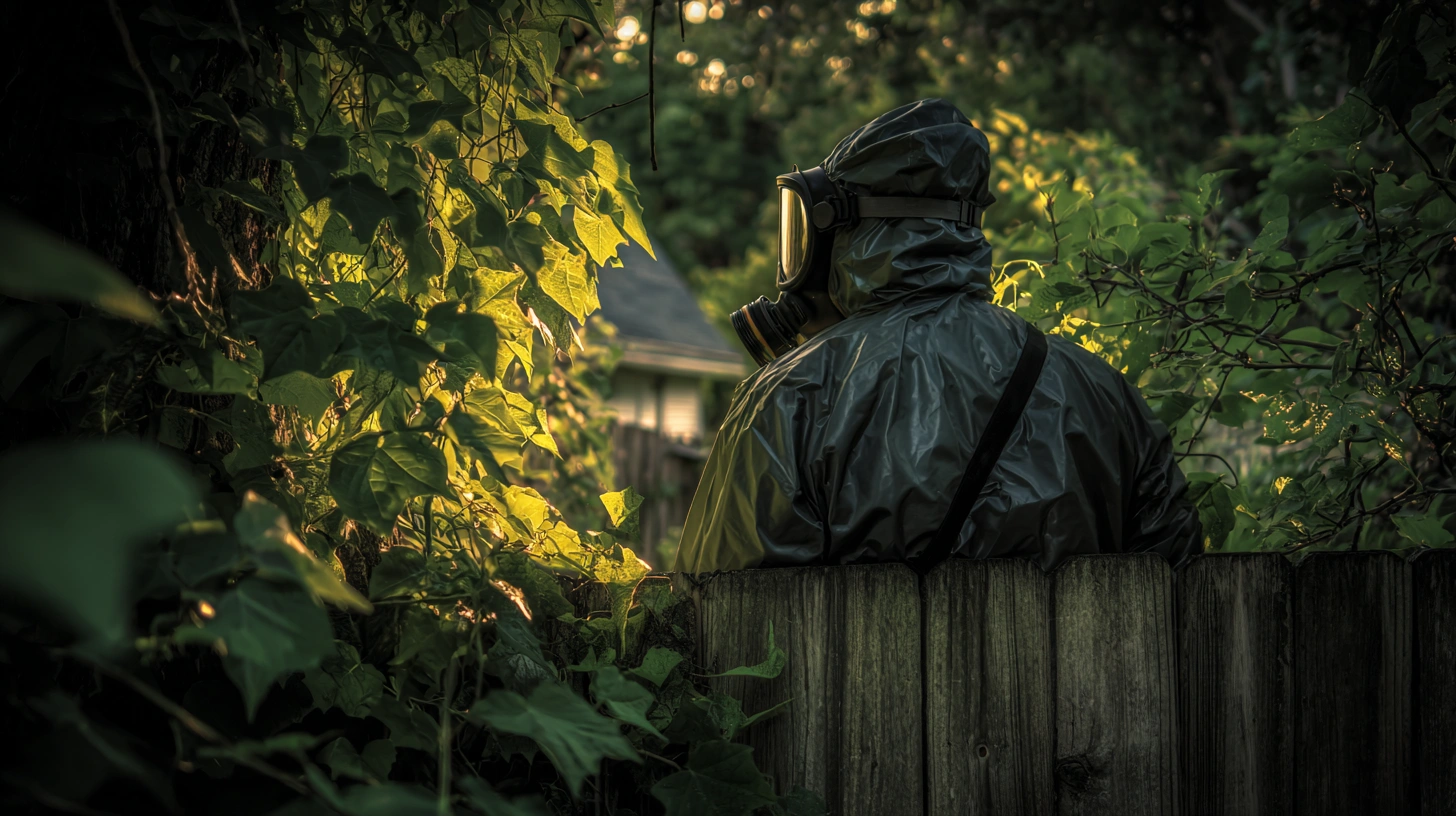
Learn how to identify and safely remove poison ivy and pokeweed in the Cincinnati Tri-State region with expert tips on PPE, herbicides, and disposal.
Safe Poison Ivy & Pokeweed Control in Cincinnati Yards
Introduction
If you've spotted those telltale "leaves of three" creeping along your fence line or a towering stalk bearing inky purple berries in the corner of your yard, you're not alone. Homeowners across the Cincinnati Tri-State region face the dual challenge of taming poison ivy and pokeweed before they turn your lawn into a liability. I've been through my share of itchy run-ins and deep-rooted battles, and I know how crucial it is to act safely and effectively.
In this guide, we'll walk through proven methods for poison ivy removal Cincinnati homeowners trust, plus top tips for pokeweed control Ohio yards. You'll learn how to gear up with the right PPE, choose the best herbicides, and dispose of every bit of plant material without risking an itch--or a fine. By the end, you'll have a step-by-step plan to reclaim your turf and keep unwanted weeds at bay.
Identifying Poison Ivy and Pokeweed
Poison Ivy: The Leaves of Three
Poison ivy (Toxicodendron radicans) often masquerades as a harmless vine or low shrub. Remember the rhyme: "Leaves of three, let it be." The clusters of three shiny, serrated leaflets contain urushiol oil--hot stuff that triggers a rash on contact, even after the plant's dead.
Key ID traits:
- Three glossy leaflets with toothed edges
- Vines with hair-like aerial roots on trees or fences
- Berries that turn white or yellow-green in fall
Pokeweed: Toxic Taproot Teller
Pokeweed (Phytolacca americana) stands out at 6-10 feet tall, with smooth reddish stems and drooping clusters of dark purple berries. All parts are toxic if ingested, and its sap can irritate bare skin.
Look for:
- Reddish, smooth stems rising straight from the ground
- Alternating large leaves (4-12 inches long)
- Racemes of purple berries mid-summer into fall
Safety-First Removal Strategies
Essential PPE for Safe Removal
Never underestimate protective gear. For yard weed allergy prevention, suit up in:
- Disposable nitrile gloves (double-layer optional)
- Long sleeves, full-length pants, and closed-toe shoes
- Eye protection or safety glasses
- A washable hat or disposable head cover
Afterward, treat your tools and clothing separately to avoid spreading urushiol or sap.
Manual Removal Steps
Poison Ivy Pulling Technique
- Wait for late spring or early summer when leaves are fully out.
- Gently grasp the vine at its base--close to the root--without yanking or shredding.
- Pull the entire root system out in one motion; any fragments can regrow.
- Immediately bag the plant in a heavy-duty trash bag. Avoid compost or burning.
Digging Out Pokeweed Taproots
- Target young pokeweed plants early in the season for easier uprooting.
- Use a shovel to dig at least 6-8 inches deep around the stem, loosening soil.
- Wiggle and lift the taproot gently--broken pieces left behind will sprout again.
- Seal all material in a sturdy trash bag; do not compost.
Chemical Control Essentials
When manual removal isn't practical or for extensive infestations, spot treatment with herbicides is your next line of defense.
Best Herbicides and Timing
- Glyphosate (2% solution, about 2.5 oz per gallon of water)
- Triclopyr (2-4% solution) specifically for woody vines like poison ivy
Apply on actively growing foliage in late summer through early fall--roots are pulling energy down, so chemicals travel deep for a more thorough kill.
Application Tips and Precautions
- Always follow label directions for mixing ratios and safety intervals.
- Treat only the target plant--avoid drift onto grass or desirable shrubs.
- Keep children and pets off the treated area until spray has dried.
- Reapply in 4-6 weeks if you spot regrowth.

Ready to transform your lawn?
Get personalized AI guidance for the perfect lawn. Download Grassmaster Gus now!
Smart Disposal and Regional Guidelines
Bagging and Trash Disposal
Once you've removed those toxic invaders, double-bag all plant material in heavy-duty plastic. Tie the bags securely and place them in curbside trash. This step is crucial for both safety and regulatory compliance.
Avoiding Compost and Burning
Never compost poison ivy or pokeweed debris--and under no circumstances burn it. Smoke carries urushiol and toxic compounds that can cause severe respiratory issues.
Local Regulations in Ohio, Kentucky, and Indiana
- Ohio and Indiana prohibit composting or burning invasive plants--trash disposal only (Ohio admin code, Indiana DNR).
- Kentucky follows similar guidelines--contact local solid waste authorities for curbside options.
- When in doubt, reach out to your county extension office for hands-on support.
Prevention Through Lawn Health
Keeping a thick, vigorous turf is the best long-term insurance policy.
Building a Dense, Weed-Resistant Lawn
- Mow at the recommended height for your grass type--generally 2.5-3.5 inches.
- Fertilize based on soil test results; avoid overfertilizing, which can encourage weeds.
- Water deeply but infrequently to promote strong root systems.
Routine Inspections and Late Summer Checks
- Walk your property edges, fence lines, and shaded corners every month.
- Spot-pull seedlings before they mature.
- Plan late summer herbicide touch-ups to nip any stragglers in the bud.
Conclusion
Taming poison ivy and pokeweed in the Cincinnati Tri-State area doesn't have to be a back-breaking, itch-inducing ordeal. By identifying these plants early, suiting up in proper PPE, and choosing the right combination of manual and chemical controls, you can reclaim your lawn safely. Remember to bag and trash every scrap, follow local disposal rules, and bolster your turf with smart maintenance. With these steps in your toolkit--alongside expert poison ivy removal Cincinnati strategies and pokeweed control Ohio insights--you'll keep your yard lush, healthy, and free of toxic invaders all year round.
Transform Your Lawn with AI-Powered Care
Join thousands of homeowners achieving their dream lawn with personalized guidance from Grassmaster Gus.
- AI-powered lawn analysis
- Personalized care schedules
- Expert advice 24/7
- Track lawn progress