Revive Your Thinning Alaskan Lawn: Expert Tips for Wet Summers
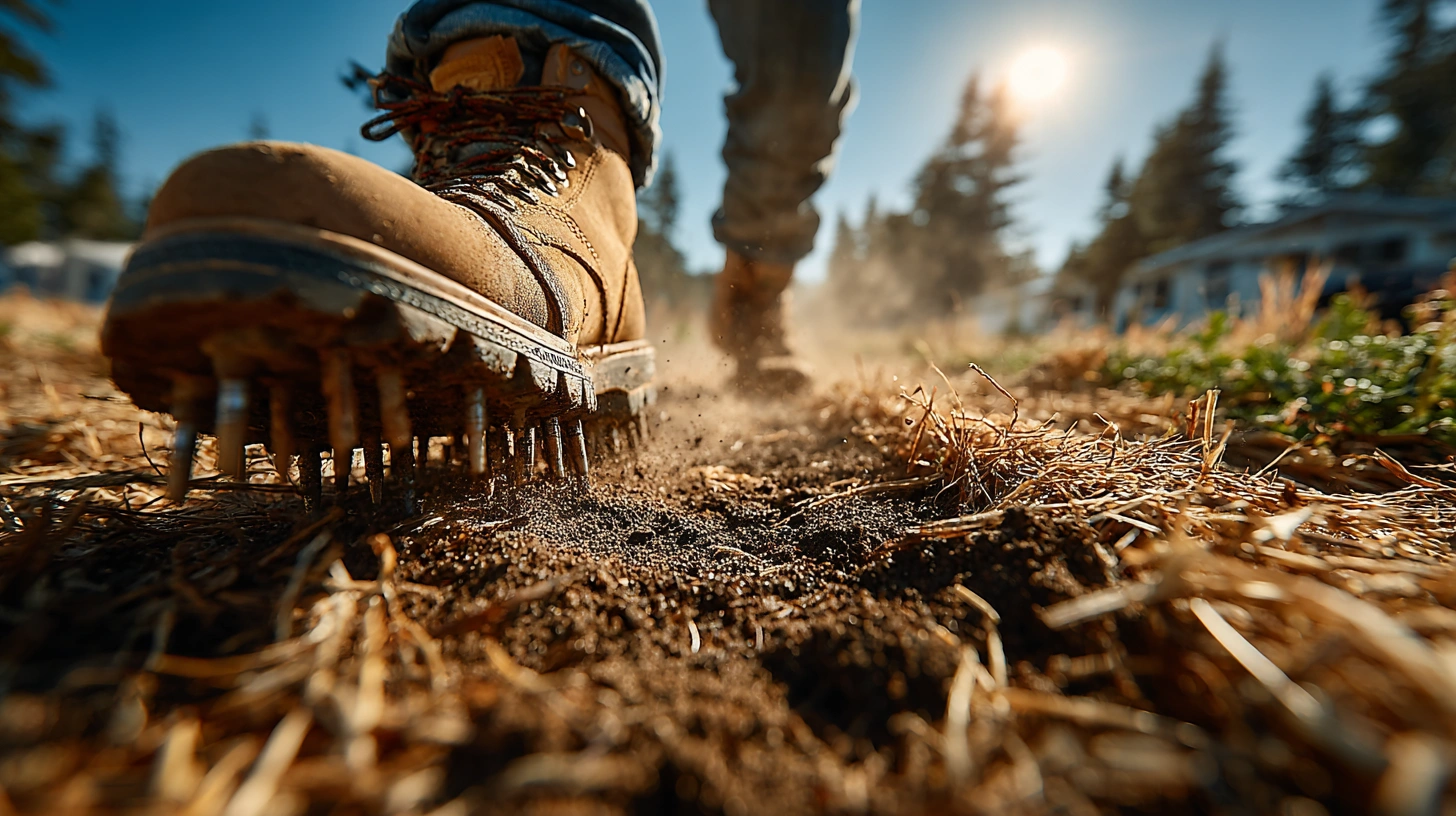
Learn how to restore your patchy, thinning lawn after rainy Alaskan summers with our expert guide to cool-season grass care.
# Revive Your Thinning Alaskan Lawn: Expert Tips for Wet Summers
## Introduction
If you've noticed your once-lush Alaskan lawn looking a bit thin and patchy after a string of rainy summers, you're not alone. Many homeowners in south-central Alaska are facing the same challenge. You might be wondering if collecting those grass clippings is doing more harm than good. Well, grab your favorite lawn chair, because we're about to dig into the root of the problem and unearth some solutions that'll have your grass standing tall again.
## The Clipping Conundrum: To Bag or Not to Bag?
Let's cut to the chase – consistently bagging your grass clippings might be robbing your lawn of vital nutrients. Here's the scoop:
- Nutrient Recycling: Those clippings you've been diligently collecting? They're packed with nitrogen, the stuff your grass craves. By removing them, you're interrupting nature's own fertilizer cycle.
- The Numbers Game: Research shows that leaving clippings can reduce your lawn's nitrogen needs by up to 25%. That's a quarter of your fertilizer bill you could be saving!
- Thatch Myths Busted: Contrary to popular belief, clippings don't significantly contribute to thatch buildup when managed properly.
### When to Break the 'Leave It' Rule
There are times when bagging makes sense:
- During disease outbreaks
- If the grass is excessively long and wet
- When clippings are so thick they might smother the lawn
But for routine mowing in dry conditions? Let those clippings fly free!
## Wet Weather Woes: Why Your Lawn Is Struggling
Alaska's recent run of rainy summers has been tough on turf. Here's what's happening under the surface:
- Fungal Fiesta: All that moisture creates a paradise for fungal diseases like leaf spot and brown patch.
- Root Riots: Waterlogged soil suffocates grass roots, leading to weak, shallow-rooted turf.
- Compaction Complications: Wet soil compacts easily, especially under foot traffic or mowing equipment.
- Thatch Troubles: In our cool climate, organic matter breaks down slowly, leading to thatch buildup that can choke your lawn.
## Your Lawn Recovery Game Plan
Time to rally the troops and stage a grass-roots comeback! Here's your battle plan:
### 1. Aeration: Let Your Lawn Breathe
- When: Late August to early September is your sweet spot.
- Why: Breaks up compaction, improves drainage, and lets air, water, and nutrients reach the roots.
- How: Rent a core aerator or hire a pro. Those little soil plugs are gold for your lawn!
### 2. Feed Your Lawn Right
- Timing is Everything: Aim for 2-3 fertilizer applications per season.
- Mark Your Calendar: Memorial Day, Fourth of July, and Labor Day are your key dates.
- Go Balanced: Use a fertilizer with balanced NPK ratios based on a soil test.
### 3. Mowing Mastery
- Height Matters: Keep your cool-season grasses at 2.75-3.5 inches tall.
- The One-Third Rule: Never remove more than one-third of the blade height in a single mowing.
- Sharp Blades: A clean cut helps grass heal faster and resist disease.
### 4. Thatch Management
- Check Thickness: If your thatch layer is over 0.5 inch, it's time to dethatch.
- Timing: Late summer is ideal, giving your lawn time to recover before winter.
### 5. Disease Defense
- Water Wisely: Early morning watering lets grass dry before nightfall.
- Avoid Wet Mowing: It spreads fungi and compacts soil.
- Fungicides: A last resort, use only if cultural practices fail and disease is confirmed.
## Tailoring Your Tactics for Alaska's Climate
Our short growing season and cool, wet summers mean we need to adjust standard lawn care advice:
- Compress Your Calendar: Pack your major lawn care tasks into our brief warm season.
- Drainage is Key: Consider installing French drains or adjusting landscape grading to move water away from your lawn.
- Native Know-How: Look into cool-season grass varieties that are proven performers in Alaska, like certain fescues or bluegrass cultivars.
## Conclusion: Your Lawn's Second Spring
Bringing a thinning Alaskan lawn back to life after wet summers isn't just possible – it's a great way to flex your green thumb. By understanding the unique challenges our climate poses and adapting our lawn care routines, we can nurture thick, healthy turf that stands up to whatever weather comes our way.
Remember, a resilient lawn starts with healthy soil and smart maintenance. So leave those clippings (when appropriate), aerate regularly, and time your care for our northern growing season. Your lawn will thank you with a lush, green carpet that's the envy of the neighborhood.
Now, who's ready to fire up that mower and give their grass the TLC it deserves? Your Alaskan lawn comeback story starts today!

Ready to transform your lawn?
Get personalized AI guidance for the perfect lawn. Download Grassmaster Gus now!
Transform Your Lawn with AI-Powered Care
Join thousands of homeowners achieving their dream lawn with personalized guidance from Grassmaster Gus.
- AI-powered lawn analysis
- Personalized care schedules
- Expert advice 24/7
- Track lawn progress