Newfoundland Lawn Care: Soft, Safe Play Lawns in Bans
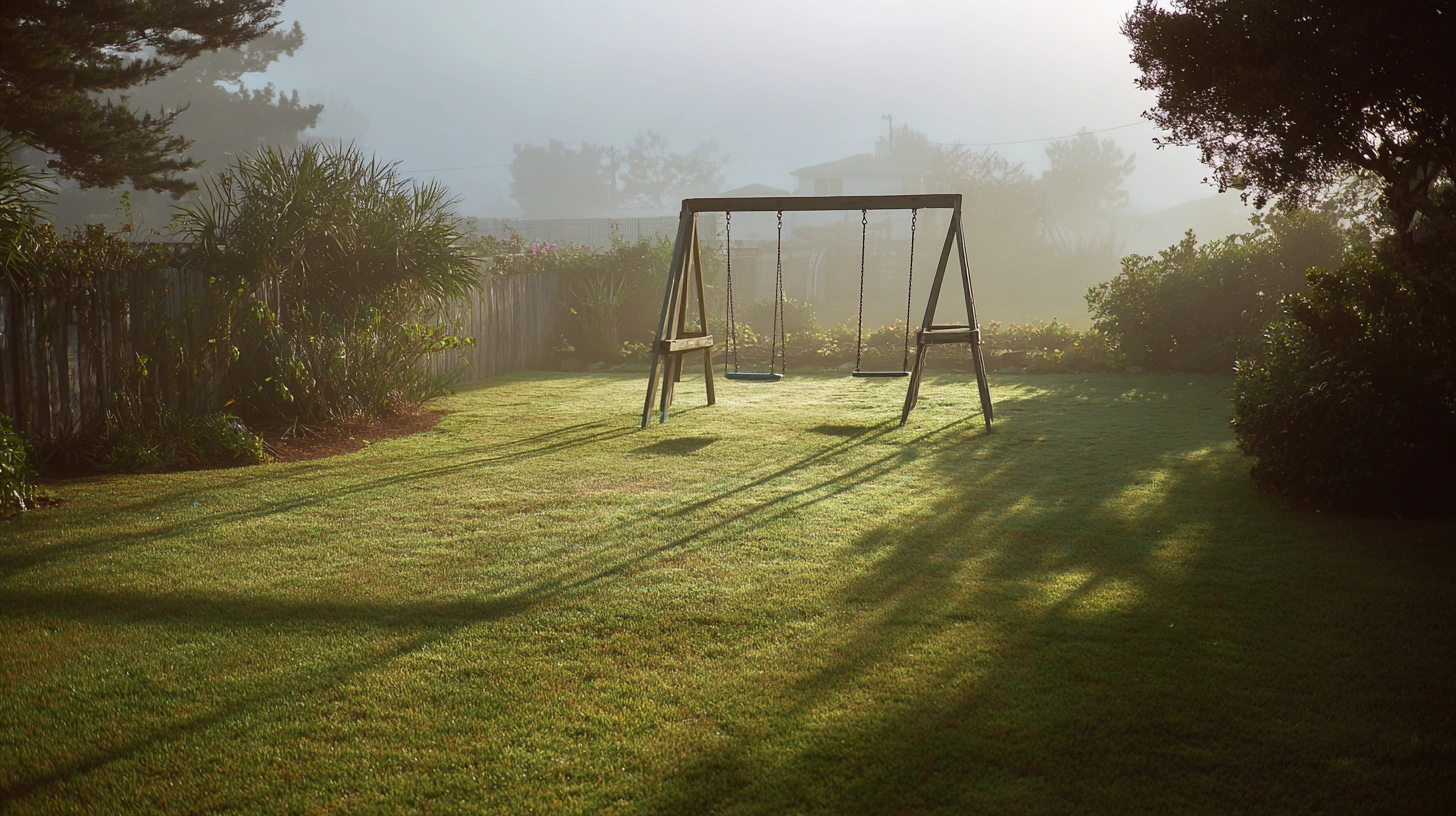
Maintaining a soft, safe lawn in Newfoundland during water bans? Discover drought-tolerant grass blends, smart watering, and recovery tips for kid-friendly yards.
Newfoundland Lawn Care: Soft, Safe Play Lawns in Bans
Introduction
Running barefoot across a lush green lawn is every kid's dream--until a water ban turns that dream brown. In Newfoundland's cool-season climate, enforced watering restrictions can stress even the toughest turf. But brown isn't dead: it's a survival strategy called dormancy. As your neighbor with decades of lawn battles under my belt, I'll walk you through choosing the right grass, adjusting maintenance, and keeping play areas soft and safe--even when the hose goes dry.
By the end of this guide, you'll know: which drought-tolerant grass blends stand up to little feet; how to hand-water high-traffic zones under municipal rules; and the exact steps to revive your lawn once restrictions lift. Let's get your backyard back in play.
Why Your Lawn Turns Brown--It's Just Dormancy
When water runs short, cool-season grasses like fine fescue and tall fescue enter a dormancy phase rather than die outright. Think of it as nature's backup generator: the crowns stay alive for up to six weeks with minimal moisture.[1]
Brown blades on top, green crowns below.
Taller mowing (3-4 inches) shades roots and retains soil moisture.
Deep roots (tall fescue) stay hydrated longer than shallow ones (ryegrass).
So next time your yard looks like a hayfield, don't panic. You're witnessing a survival trick--one you can manage to protect soft grass for children's play.
Choosing the Right Grass Blend for Kids' Play
Not all grasses are created equal. For a child-safe play lawn that weathers drought and roughhousing, blend:
Tall Fescue (50-60%): Deep roots, wear-resistant, low water needs.
Fine Fescues (30-40%): Shade- and drought-tolerant.
Perennial Ryegrass (10%): Quick germination for fill-ins, but needs more water.
I've seen this mix hold up under week-long municipal bans in St. John's and Conception Bay South.[2][3] It's your best bet for a green cushion when restrictions ease.

Ready to transform your lawn?
Get personalized AI guidance for the perfect lawn. Download Grassmaster Gus now!
Smart Maintenance Before Water Bans Hit
A stitch in time saves nine--and in lawn care, that means establishing deep roots before dry spells. Follow these steps in early summer or--better yet--in early fall:
Deep, Infrequent Watering: Give your lawn 1-1.5 inches of water once a week during allowed watering days (typically 6-8 AM & 8-10 PM).[2][4]
Mow High (3-4 inches): Taller blades shade the soil, reduce evaporation, and create a soft carpet for play.
Mulch Clippings: Leaving grass clippings recycles moisture back into the soil and feeds microbes.
Core Aeration in Fall: Loosen compacted soil--especially in high-traffic play zones--to encourage root growth.
Register New Lawns: If you've seeded this season, register with your municipality for daily watering privileges up to 60 days.[2]
Build resilience now, so you're not scrambling when bans hit.
Strategies During Water Bans
Municipal water bans in Newfoundland often allow hand watering with a shut-off nozzle anytime, plus scheduled sprinkler use on odd/even days. Here's how to make every drop count:
Hand Water High-Traffic Spots: Focus on areas where kids play most--sandboxes, swing sets, goalposts. 2-3 gallons per square meter is often enough to keep crowns alive.
Use Mulch or Temporary Play Mats: Place mulch or rubber tiles in bare zones to prevent further wear until grass recovers.
Pause Fertilization: Fertilizer without water stresses grass and can burn new shoots.
Monitor Weather Forecasts: If rain's in sight, ease up on hand watering and let nature do the work.
Following these tactics keeps your yard in "low-power mode" without burning out the turf.
Recovery After the Ban
When restrictions lift, your lawn is ready to bounce back--but it needs a little coaxing:
Overseed Thin or Bare Patches: Use the same drought-tolerant mix. Lightly rake, broadcast seed at 5-7 lbs/1,000 sq ft, then mulch with a thin layer of straw.
Light Fertilization: Apply a slow-release, balanced organic fertilizer once rain returns to avoid runoff and promote steady growth.
Core Aeration (If Needed): If play zones look compacted after heavy use, aerate and reseed.
Resume Normal Mowing: Lower the blade gradually back to 3 inches over a few weeks.
Think of this as post-game recovery--give your lawn the treatments it missed while you were in defensive mode.
Safety and Pesticide-Free Care
Newfoundland's cosmetic pesticide ban ensures your lawn stays safe for kids.[6] Here's how to keep pests at bay without banned chemicals:
Use heated compost tea or corn gluten meal for light grub control.
Employ mechanical weeding or spot-treat with approved organic herbicides.
Keep toys and debris off the lawn to reduce hiding spots for insects.
A healthy, well-aerated turf is your best defense against weeds and pests.
Timing Your Lawn Work in Newfoundland
In our climate, early fall (late August-September) is prime time for aeration, overseeding, and fertilizing. Cooler days and slightly higher soil moisture boost seed germination and root establishment without competing with peak summer heat.
Spring: Spot-treat weeds, mow high, and plan seed purchase.
Early Summer: Deep water before bans kick in, register new lawns.
Early Fall: Core aerate, overseed, fertilize, and mulch.
Stick to this schedule, and you'll have a resilient, child-friendly turf year after year.
Conclusion
Maintaining a child-safe play lawn in Newfoundland under water bans isn't magic--it's strategy. By choosing the right drought-tolerant grass blend, reinforcing deep roots, and following smart watering and recovery protocols, you'll keep the backyard green and cushioned for endless fun.
When bans hit, switch to hand watering, protect high-traffic spots, and lean on mulch. After restrictions lift, overseed, feed lightly, and aerate if needed. With these steps, your lawn will stay soft, safe, and ready for every hop, skip, and cartwheel. Now grab that hose (or shut-off nozzle) and get growing.
Transform Your Lawn with AI-Powered Care
Join thousands of homeowners achieving their dream lawn with personalized guidance from Grassmaster Gus.
- AI-powered lawn analysis
- Personalized care schedules
- Expert advice 24/7
- Track lawn progress