NE Kansas Lawn Seeding Failures & Fall Seeding Guide
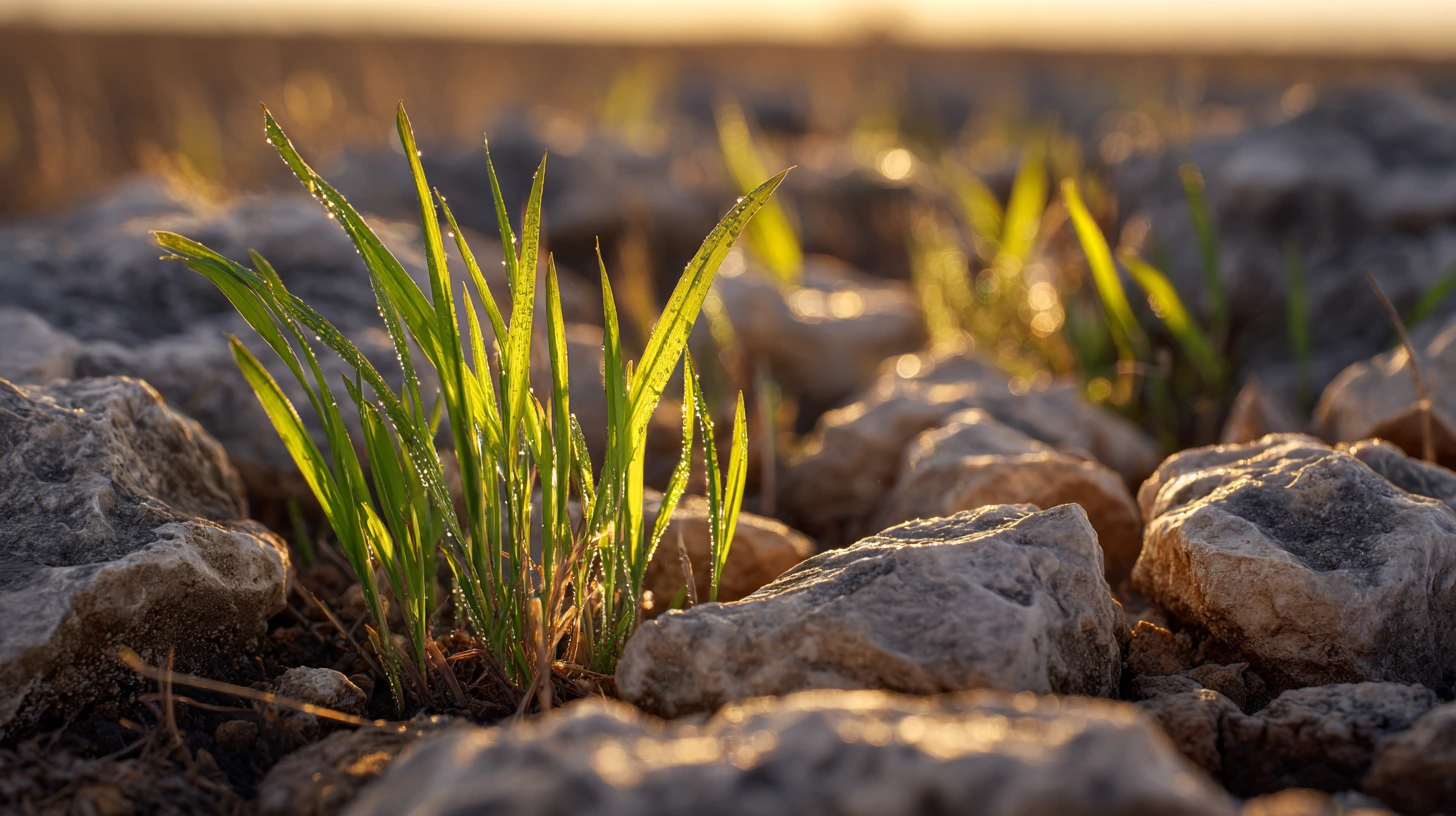
Discover why spring and early summer lawn seeding in NE Kansas often fails and how to prep, time, and nurture your fall reseeding for success.
NE Kansas Lawn Seeding Failures & Fall Seeding Guide
Introduction
Nothing stings more than pouring time and grass seed into your NE Kansas lawn only to watch it shrivel under late-spring heat. If you've ever spent a weekend overseeding or starting fresh in April or May--only to end up with patchy, brown dirt--you're in good company. It's not a lack of elbow grease or enthusiasm. Here in northeast Kansas, daytime highs regularly push past 90 degrees F in late spring and early summer, turning shallow-rooted seedlings into casualties before they can even take hold. This guide digs into why spring and early-summer lawn seeding so often fails in our transition zone, and why shifting your efforts to a late-August or early-September window can make the difference between a muddy letdown and a lush, green carpet. We'll cover critical soil prep--especially for those rocky, compacted spots--seed selection tips, watering best practices, and even local watering ordinances that can trip you up. By the end, you'll know exactly when to roll out that seed, how to refine your seedbed, and which blends will thrive here. Let's turn your next lawn seeding into a success story.
Problem: Why Your Spring Seeding Fails
Heat Stress & Timing Mistakes
Cool-season grasses like tall fescue and Kentucky bluegrass are ideally sown when soil temperatures hover around 50-65 degrees F. Planting after mid-May means you're battling rising soil temps and long, hot afternoons. Seedlings have shallow roots and can't tap into deeper moisture, so even diligent hand-watering often can't keep pace with evaporation. Studies from the Iowa State Extension show that surface-dried soil strands quickly leave new grass gasping for water. In a 90 degrees F heatwave, young seedlings simply wilt before they get established. Iowa State Extension
Soil & Seed Issues
Rocky or compacted soils are another nail in the coffin. If your yard has a mix of larger stones and tight clay pockets, roots struggle to find a stable foothold or access nutrients and moisture. Poor seed-to-soil contact means many seeds never germinate. Low-quality or off-brand mixes can include annual ryegrass or weed seeds that compete with young grass and lack drought tolerance. Always look for certified, region-specific blends with high purity and germination rates. Johnson County Extension
Why Fall Seeding Wins in NE Kansas
Late summer--specifically mid-August to mid-September--gives cool-season grasses a head start before winter arrives. Soil is still warm from summer sun, which encourages quick germination, and night-time lows begin to retreat from those blistering highs. This window shields young grass from extreme heat and weed competition. You'll also see more consistent rainfall, reducing the watering burden. Tall fescue seedlings that hit this window develop stronger roots and can survive first frost and spring heat waves. I've watched lawns seeded in early September outpace spring plantings by a good month in green-up the next year.

Ready to transform your lawn?
Get personalized AI guidance for the perfect lawn. Download Grassmaster Gus now!
Prepping Rocky, Compacted Soil
Good prep is half the battle--especially in rock-laden yards.
Clear Debris: Rake away surface rocks larger than a quarter inch.
Till and Turn: Dig or till the soil 4-6 inches deep to break compaction.
Amend with Compost: Mix in 20-30% compost to improve soil structure and moisture retention. MU Extension
Aerate or Verticut: Remove thatch and loosen the earth to ensure seeds make firm contact.
Grade Smoothly: Level low spots so water doesn't pool and drown seedlings.
By creating a loose, well-amended seed bed, you give roots room to grow and water a place to hang on--rather than running off into the street.
Choosing the Right Seed Blend
Not all grass seed is created equal, especially in a transition zone like NE Kansas.
Tall Fescue: Known for drought tolerance and deep roots. Look for 'improved' or 'turf-type' varieties.
Kentucky Bluegrass: Adds spreading capability but needs slightly more care. Use blends with at least 30% fescue for durability.
Certified Seed: Check for the Kansas Certified Seed label and a germination rate above 85%. Avoid mixes loaded with annual ryegrass or cheap fillers.
A good blend balances quick germination with long-term resilience. Check your bag's label for a "Pure Live Seed" percentage and steer clear of generic "lawn mix" bags without specific varietal info. K-State Extension
Watering Guidelines After Seeding
Getting moisture right is crucial.
Days 1-14: Water lightly 2-4 times per day for 5-10 minutes, just enough to keep the top 1/4 inch of soil wet.
Days 15-30: Once seedlings have a few true leaves, switch to deeper, less frequent watering--about 1/2 inch every other day.
Mulch with Straw: A thin layer of clean straw protects seeds from drying and birds. Remove once grass reaches 2 inches.
Soil Test First: If recommended phosphorus is low, apply a starter fertilizer at label rates.
Consistent moisture until the root system is a few inches deep is key. And always check your city's watering schedule--in some Kansas suburbs, daytime irrigation is restricted during heat alerts. Heartland Turf
Local Regulations & Timing Checks
Before you haul out that broadcast spreader, verify local ordinances. Cities from Kansas City to Overland Park often impose watering restrictions in late summer heat. Plan seeding and daily watering around allowable times--usually early morning or late evening slots. Also, glance at the 7-10 day forecast. If a 95 degrees F heatwave or a week of no rain is looming, push your seeding date back a few days to avoid set-up from the get-go.
Conclusion
Spring and early-summer seeding in NE Kansas can feel like bailing water from a sinking boat--no matter how hard you work, the odds aren't in your favor. Shifting to a mid-August to mid-September schedule, combined with thorough soil prep in those rocky spots, high-quality cool-season blends, and a disciplined watering routine, sets you up for a lawn that fills in fast and stands up to our swing between hot summers and chilly winters. Take the extra week now to prep and plan, and you'll harvest a carpet of green that lasts all year. Mark your calendar, clear the rocks, order certified seed, and give your future lawn the chance it deserves.
Transform Your Lawn with AI-Powered Care
Join thousands of homeowners achieving their dream lawn with personalized guidance from Grassmaster Gus.
- AI-powered lawn analysis
- Personalized care schedules
- Expert advice 24/7
- Track lawn progress