Lawn Restoration for Compacted & Shaded Lawns in Southern MS
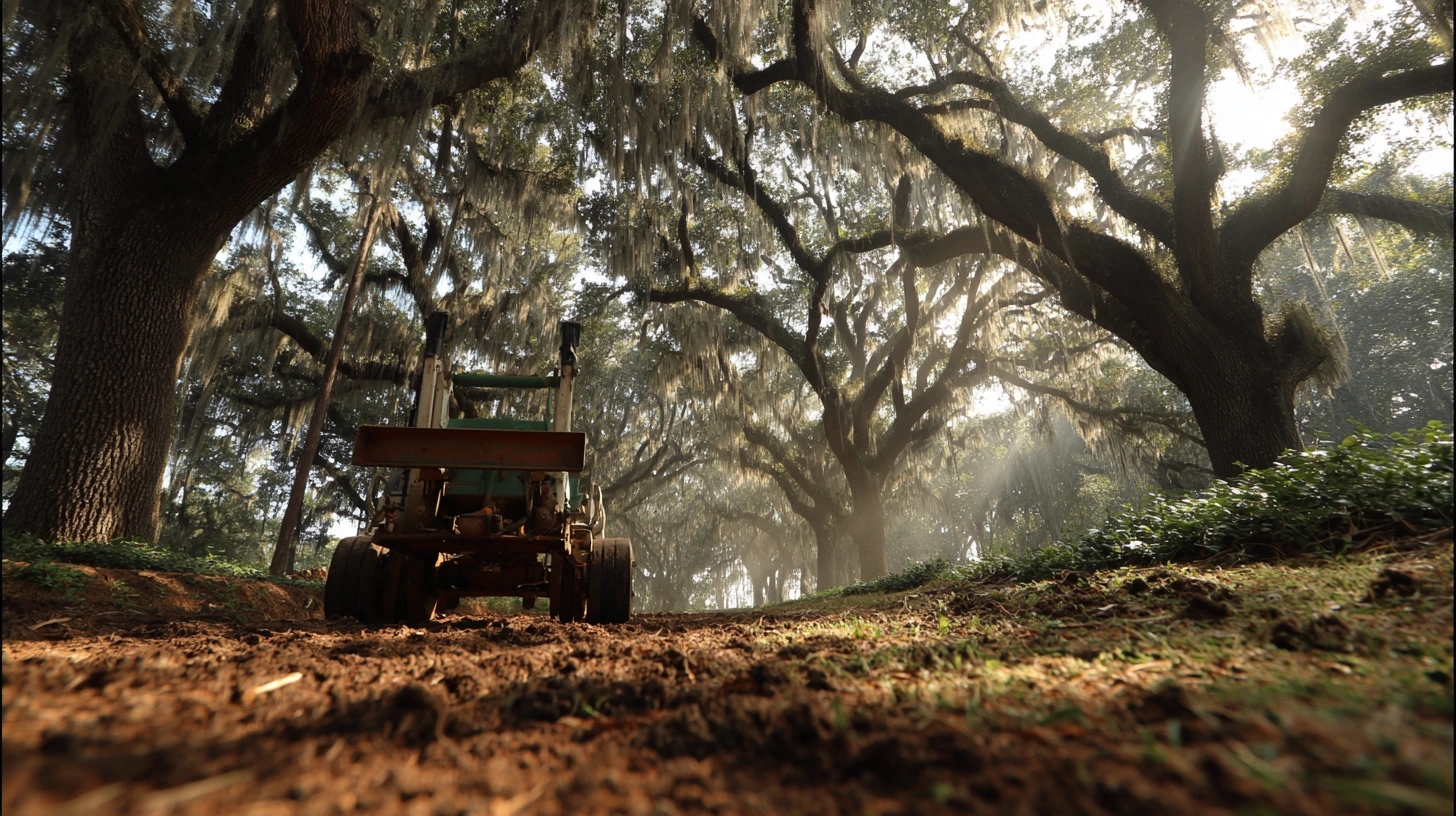
Learn step-by-step how to fix soil compaction and choose shade-friendly grasses in Southern Mississippi for a lush, green lawn.
Lawn Restoration for Compacted & Shaded Lawns in Southern Mississippi
Introduction
Ever parked your car on the front lawn and watched it turn into a hard, muddy patch? Or stared at that thin, lifeless grass under your oak tree, wondering if you'll ever get a green, even turf back there? You're not alone. Southern Mississippi's heavy clay soil and warm-season grass preferences can make recovery feel impossible.
In this guide, I'll walk you through a practical, region-specific plan to restore compacted turf in your front yard and boost growth in shaded back areas. We'll cover everything from core aeration to shade-tolerant grass choices--so you can expect visible improvement within a single growing season. Ready to swap those bare spots for a yard you're proud of? Let's get started.
Understanding the Problem
Soil Compaction Explained
When you park a vehicle on clay-based soil, those tires compress the ground, squeezing out air pockets and water channels. Roots struggle to expand, and rainwater either pools or runs off. Over time, grass chokes out and bare spots take over.
Shade Stress in Warm-Season Turf
Warm-season grasses--like Bermuda and Zoysia--thrive on full sun. Under a dense canopy, photosynthesis slows, turf weakens and patches appear. In Southern Mississippi, shade can reduce grass vigor by up to 50%, so choosing the right variety is crucial.
Fixing Soil Compaction in the Front Yard
1. Core Aeration
Core aeration is non-negotiable. Using a mechanical aerator, you'll pull out plugs about 2-3 inches deep, improving air, water and nutrient movement. Aim for late spring or early summer, when grasses are in active growth. For guidance, check out the Mississippi State Extension's advice on soil compaction.
Rent or hire a walk-behind aerator.
Make overlapping passes for 100-200 holes per square foot.
Leave the plugs on the lawn--they break down naturally.
2. Organic Soil Amendment
Once the cores are out, topdress with compost to feed soil biology.
Spread 1-2 inches of screened compost across compacted zones.
Use a rake or shovel to work it into the top 4-6 inches of soil.
Organic matter loosens heavy clay and boosts moisture retention.
3. Replanting: Overseed or Sod
If your turf is beyond patch repair, reseeding or sodding is next.
For minor damage, overseed with a warm-season blend--Bermuda or Zoysia mixes work great.
For large bare areas, consider fresh sod of Bermuda or St. Augustine for immediate coverage.
Keep seeded or sodded areas moist with daily light watering until roots establish.
For step-by-step overseeding tips, the Clemson HGIC guide is a solid resource.

Ready to transform your lawn?
Get personalized AI guidance for the perfect lawn. Download Grassmaster Gus now!
Tackling Shade in the Backyard
Grass Options for Low-Light Areas
You'll want a grass that tolerates Southern Mississippi's shade:
St. Augustinegrass: The region's top shade performer--handles up to 50% shade.
Zoysiagrass: Moderate shade tolerance; denser wear resistance.
Centipedegrass: Low-maintenance, tolerates light to moderate shade.
Groundcover Alternatives
If your canopy is too thick, grass might not win. Consider shade-loving groundcovers:
Liriope: Drought-tolerant and thrives in deep shade.
Asiatic jasmine: Spreads quickly, evergreen in mild winters.
Holly fern: Excellent under dense trees.
See the LSU AgCenter's shade turf guide for more options.
Light Management
Small changes in light can boost turf health:
Prune lower branches to let more sun through.
Remove dead limbs to open the canopy.
Thin shrubs or relocate planters blocking light.
Prevention Strategies
Stop parking on grass--use gravel or a designated driveway pad.
Lay down stepping stones in high-traffic backyard paths.
Apply 1/4-inch compost annually to topdress and feed your soil.
Keep foot traffic off newly renovated areas until turf is fully rooted.
Timing Your Renovation for Southern Mississippi
Aeration & Topdressing: Late April-June, when your lawn is actively growing.
Sodding/Seeding: Best in March-July to leverage warm temperatures and rain.
Fertilization: After a soil test, feed with a balanced NPK following recommendations--light on nitrogen in shade spots.
Check your seven-day weather forecast before major work--avoid aeration ahead of heavy rains or during drought spells.
Safety Tips
Wear sturdy shoes and gloves when operating machinery.
Follow manufacturer's instructions for aerators and spreaders.
Keep children and pets clear of treated areas until safe to return.
Conclusion
Restoring a compacted or shaded lawn in Southern Mississippi isn't a weekend fling--it's a season-long commitment. But with core aeration, organic amendments and the right grass choices, you'll see your turf bounce back faster than you might think. Remember: maintenance and light management keep the momentum going. Roll up your sleeves, stick to the timeline, and you'll turn that patchy yard into the green neighborhood standout you've earned. Let's get to work and watch your Mississippi lawn thrive.
Transform Your Lawn with AI-Powered Care
Join thousands of homeowners achieving their dream lawn with personalized guidance from Grassmaster Gus.
- AI-powered lawn analysis
- Personalized care schedules
- Expert advice 24/7
- Track lawn progress