Is Your Brown Lawn Dormant or Dead? Fall Recovery Tips for Western NY
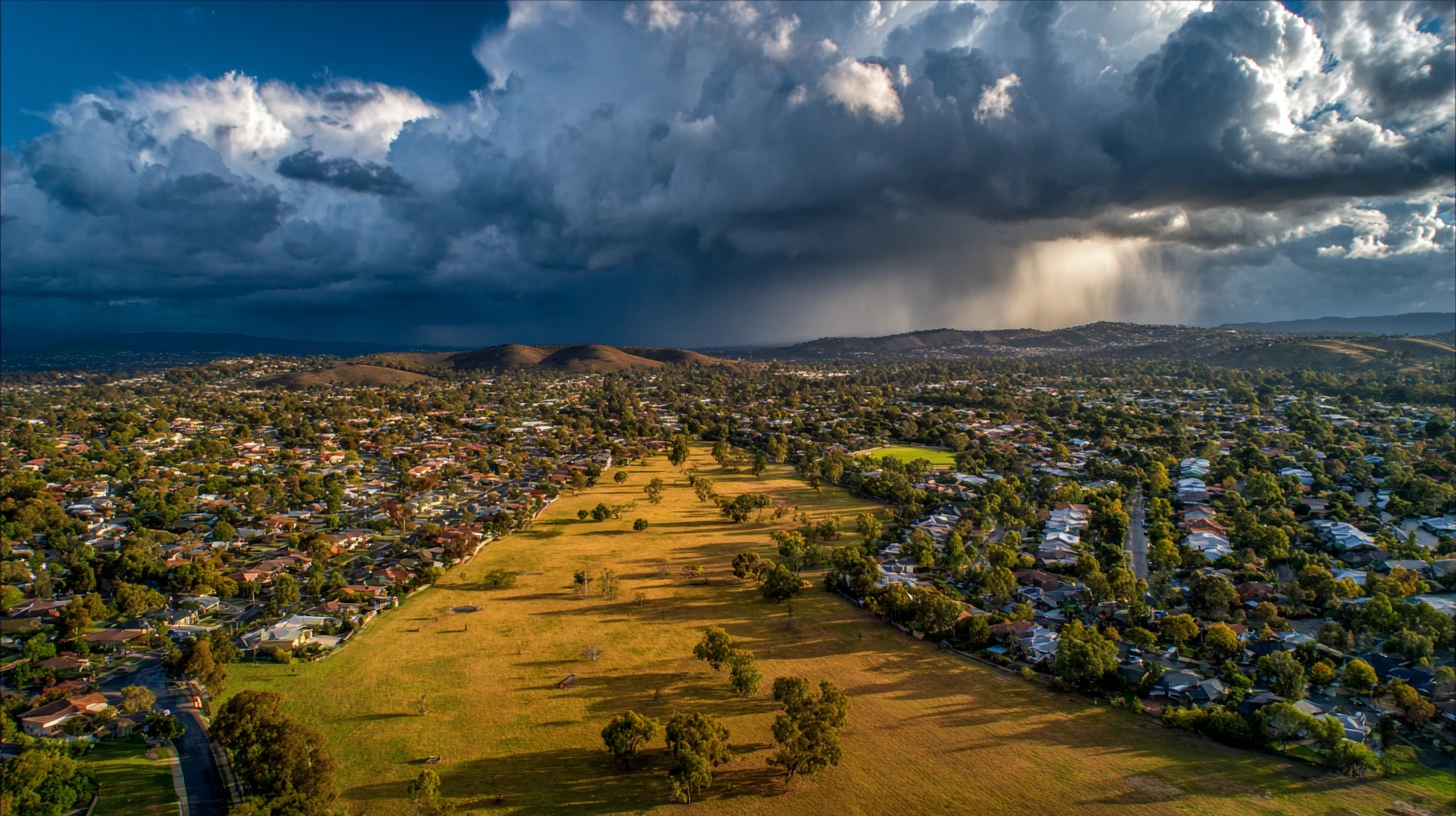
Learn how to diagnose if your brown lawn is merely dormant or has died and follow fall recovery steps tailored for Western NY cool-season yards.
Is Your Brown Lawn Dormant or Dead? Fall Recovery Tips for Western NY
Introduction
If you've come home from vacation or simply let your sprinkler take a break for two weeks, only to find a lawn turned straw-brown, it can feel like you've lost your turf to the summer sun. But before you resign yourself to re-sodding, there's good news: cool-season grasses common in Western New York--Kentucky bluegrass, fescues and perennial ryegrass--are tough customers. They often go dormant under drought stress, waiting for cooler, wetter weather to green back up. I've seen plenty of lawns look lifeless in August, then bounce right back come September.
In this guide, we'll walk through simple diagnostics to tell dormancy from death, then lay out a straightforward fall recovery plan. You'll learn watering protocols, aeration and overseeding tips, plus key safety precautions. Think of this as your fall playbook to revive brown lawn areas, harnessing Western NY's cool-season bounce-back. No jargon--just practical steps that work in our humid continental climate.
Problem Identification
Knowing if your grass is asleep or toast is step one. Let's break down the visual and physical clues.
Signs of Dormant Grass
Uniform straw-brown color across large swaths.
Grass crowns feel firm when you gently part blades; you may see a hint of pale green at ground level.
Browning occurred gradually over 10-14 days.
Soil, though dry on top, still holds moisture an inch or two down.
When grass goes dormant, it's in survival mode--storing energy in roots until conditions improve. A quick test: press the crown (where blade meets root) with your thumb. If it feels firm and white-ish, dormancy is likely. Rutgers Turfgrass Science offers more on this.
Signs of Dead Grass
Patchy brown or gray areas rather than uniform color.
Crowns feel brittle or mushy, sometimes turning brown or black.
Rapid browning in 1-2 days, with blades shriveling quickly.
Soil extremely dry below the surface or signs of pest/disease issues.
Dead turf won't respond to watering--you'll see shriveled crowns next time you press. If you spot irregular patches amid healthy grass, those spots may need overseeding or patch repair.
Causes and Contributing Factors
Two weeks without supplemental water in mid-summer often triggers dormancy, not death, in a healthy cool-season lawn. Here's the rundown:
Short-term drought (up to 2-3 weeks): Grass stops growing, brown blades protect crowns and roots.
Extended drought (4+ weeks): Risk of turf death increases, especially for less drought-tolerant species like perennial ryegrass.
Other stressors: Heavy foot traffic, disease or thatch layers can weaken lawns, tipping dormancy into death sooner.
Tall fescue tolerates drought best, fine fescue and Kentucky bluegrass follow, and perennial ryegrass least. Knowing your blend helps set expectations.

Ready to transform your lawn?
Get personalized AI guidance for the perfect lawn. Download Grassmaster Gus now!
Fall Recovery Steps
Fall is your window of opportunity--cool temperatures and regular rain help new roots establish. Follow this sequence for the best brown grass recovery.
Watering Protocol for Recovery
Aim for 1 inch of water per week, delivered in one or two deep early-morning sessions.
If fall rains are light, use a rain gauge or empty tuna can to track precipitation and adjust sprinkler run times.
Avoid shallow, daily watering--it encourages surface roots and disease.
Deep soaking wakes dormant crowns and fuels new growth. Once you see 10-20% green-up, maintain consistent moisture until nights drop below 50 degreesF.
Aeration & Dethatching
Core aerate with hollow tines to relieve compaction and let water and air reach roots.
Dethatch if you have over 0.5 inch of thatch--a thick mat blocks moisture.
I like to aerate when the soil is moist but not soggy--usually mid-September. Follow with light raking to spread cores and thatch evenly.
Fertilization
Early fall: Apply a balanced fertilizer (e.g., 10-10-10) to encourage root growth.
Late fall (4-6 weeks before first frost): Use a high-nitrogen formula (e.g., 24-3-4) to feed winter reserves.
Fall feeding drives energy into roots, not top growth. Always follow label rates--overdoing it risks burning fragile new roots.
Overseeding Thin or Bare Patches
Choose a blend with quick-germinating ryegrass plus drought-tolerant fescues or bluegrass suited for Western NY.
Lightly rake bare areas, broadcast seed at 4-6 lbs per 1,000 sq ft.
Cover seeds with a thin layer of compost or topsoil to hold moisture.
Keep seed zones moist (not soggy) until you see firm green shoots.
Fall seeding takes advantage of cooler soil and fewer weed competitors. If disease emerged amid drought, this is your chance to refresh the stand.
Mowing Best Practices
Maintain blade height at 3-3.5 inches through fall. Taller grass shades soil, retains moisture and builds reserves.
Never remove more than 1/3 of blade length in one mow.
A final trim just above 3 inches before dormancy reduces matting, but avoid scalping. Leave a bit of green to sustain crowns.
Prevention Strategies
To minimize repeat summer browning, build a stronger lawn now:
Deep, infrequent watering: One weekly soak rather than daily sprinkles.
Raise mowing height in summer: 3.5-4 inches helps shade crown.
Limit foot traffic during peak heat: Dormant grass can't bounce back until cooler weather.
Annual fall aeration and fertilization: Encourages deeper roots and thick turf.
These steps form the foundation for drought resilience--your best defense against next year's dry spells.
Safety and Timing Considerations
Don't fertilize or aggressively mow when lawns are still dormant and stress is high.
Avoid overseeding if overnight temps regularly dip below 50 degreesF--seedlings struggle in cold soils.
Check the NY DEC drought watch before big watering--voluntary conservation is encouraged.
When to Call a Pro
If more than 30% of your lawn shows dead crowns after a thorough diagnostic, professional intervention may save you time and money. A turf specialist can core out truly dead zones and suggest custom blends or soil amendments.
Conclusion
A brown yard in August doesn't have to mean disaster. For most Western NY homes, two weeks without water triggers dormancy, not death. Use early fall's cooler temps and rainfall to your advantage with deep watering, aeration, targeted fertilization and overseeding. Follow these steps, and you'll transform that straw-brown turf back into a thick, resilient lawn by November. Roll up your sleeves, grab your aerator and seed spreader--and watch your yard come alive again.
Transform Your Lawn with AI-Powered Care
Join thousands of homeowners achieving their dream lawn with personalized guidance from Grassmaster Gus.
- AI-powered lawn analysis
- Personalized care schedules
- Expert advice 24/7
- Track lawn progress