How to Lime Tall Fescue Lawns in Upstate South Carolina
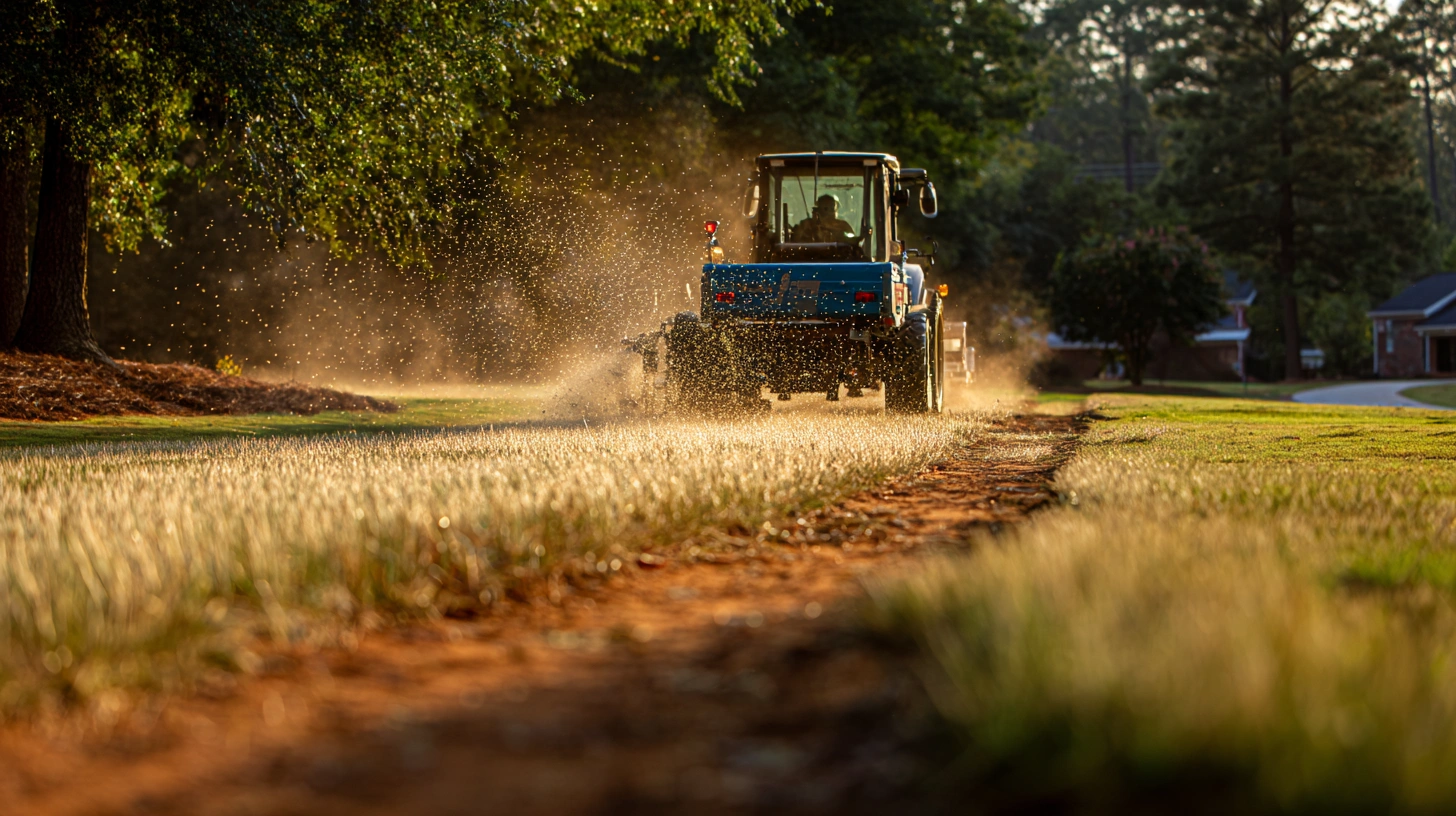
Learn how to test and adjust your acidic red clay soil with lime this fall to revive heat-stressed Tall Fescue lawns in Upstate SC.
How to Lime Tall Fescue Lawns in Upstate South Carolina
Introduction
If your Tall Fescue lawn in Upstate South Carolina emerged from summer looking more brown than green, you're not alone. The region's acidic red clay soils, paired with heat stress and summer drought, can leave cool-season turf weakened and slow to recover. But before you write off your lawn or overapply some mystery powder, there's a smarter way forward.
In this guide, you'll learn step-by-step how to test your soil, interpret the results, and apply lime correctly to restore optimal pH for Tall Fescue. We'll also cover aeration, organic matter, and simple cultural tweaks to set your lawn up for a solid comeback this fall. No fluff--just practical advice to turn that patchy yard into a lush, resilient lawn.
Why Tall Fescue Struggles on Upstate SC Red Clay
The Role of Soil pH
Soil pH is a measure of acidity or alkalinity on a scale of 0 to 14. Tall Fescue thrives in slightly acidic to neutral soils (pH 6.0-6.5). When pH dips below 5.5, nutrients like calcium and phosphorus become locked up, while toxic elements like aluminum and manganese can stunt root growth.
Red Clay Soil Challenges
Upstate South Carolina's characteristic red clay is often compacted and slow to drain. That dense clay layer doesn't just suffocate roots--it amplifies both drought stress and waterlogging after heavy rains. Combine that with a pH that routinely dips into acidic territory, and you've got a recipe for summer lawn decline.
Step 1: Soil Testing for pH and Nutrients
You can't fix what you haven't measured. A professional soil test is the first--and most critical--step. Here's how:
- Gather Samples: Using a clean soil probe or shovel, collect 6-8 samples from random spots in your lawn. Dig down 4 inches, remove surface debris, and place samples in a bucket.
- Mix and Dry: Combine samples, remove pebbles, spread the soil on newspaper, and let it air dry.
- Submit to Extension: Send a 1-pint sample to Clemson University's soil testing lab or your preferred extension service. They'll provide pH, nutrient levels, and liming recommendations.
Understanding your baseline is the key to efficient--and cost-effective--lime use. Learn more about soil testing.
Step 2: Interpreting Your Soil Test Results
When your results arrive, pay close attention to:
- Soil pH: If it reads below 6.0, lime is likely needed.
- Buffer pH: This figure tells you how much lime to apply.
- Nutrient Levels: Excess manganese or aluminum signals toxic conditions.
Your report will recommend a specific amount of ground agricultural lime (often in lbs per 1,000 ft). Resist the urge to double down--over-liming can tip your soil too alkaline and create new nutrient lockups.

Ready to transform your lawn?
Get personalized AI guidance for the perfect lawn. Download Grassmaster Gus now!
Step 3: Choosing and Applying the Right Lime
Types of Lime
- Ground Agricultural Lime: Most cost-effective; takes longer to react.
- Pelletized Lime: Easier to spread and blend; faster incorporation but pricier.
Avoid quicklime (burned or hydrated) on established turf--it can burn grass.
When to Lime
Fall is ideal in Zone 8A. Cooler temps and fall rains help wash lime into the root zone. If you miss fall, late winter or early spring is your next best window.
Calculating Rate and Application
- Follow the Test: Apply the lab's recommended rate, typically 50-100 lbs per 1,000 ft for lawns scoring below pH 6.0.
- Uniform Spread: Use a calibrated drop or broadcast spreader. Mark passes to ensure even coverage.
- Water-In: Lightly water after application--just enough to wash lime off leaves and into the soil.
- Safety First: Wear gloves, long sleeves, and a dust mask. Keep lime off driveways and nearby acid-loving plants.
Step 4: Enhancing Soil Structure with Aeration and Organic Matter
Liming fixes chemistry, but structure still matters--especially in compacted clay.
- Core Aeration: Rent an aerator or hire a pro in fall or early spring. Removing soil cores eases compaction and opens pathways for air, water, and roots.
- Topdressing: After aeration, spread 1/4 inch of quality compost or a sand-compost mix. This boosts organic content and improves drainage.
Even a thin layer of compost works wonders over time, helping red clay "heal" itself.
Step 5: Proper Watering and Mowing for Recovering Turf
Watering
Aim for 1-1.5 inches per week, delivered in one or two deep sessions. Morning watering minimizes disease risk and lubricates the newly limed soil.
Mowing
Keep blades sharp and maintain a height of at least 3.5 inches on Tall Fescue. Taller grass shades its own roots, cutting stress under hot or variable conditions.
Prevention and Long-Term Maintenance
- Routine Testing: Every 2-3 years keeps you ahead of pH drift.
- Annual Aeration: Fall aeration becomes part of your maintenance calendar.
- Organic Boosts: Annual topdressing with compost helps balance red clay.
- Watch the Forecast: Avoid liming before heavy rains wash ash away, and plan aeration when soil moisture is moderate.
Conclusion
Restoring your heat-stressed Tall Fescue on acidic red clay soils doesn't happen overnight, but it's far from rocket science. Armed with solid soil test data, the right amount of lime, and simple cultural practices like aeration and proper mowing, you'll see slow yet steady improvements. Take action this fall--and watch your lawn transform from brittle and brown into a lush, green showcase.
Long-term soil health starts with one smart step: test first, lime second, and let patience do the rest.
Transform Your Lawn with AI-Powered Care
Join thousands of homeowners achieving their dream lawn with personalized guidance from Grassmaster Gus.
- AI-powered lawn analysis
- Personalized care schedules
- Expert advice 24/7
- Track lawn progress