Guide to Stop Zoysia Sod Browning in the Florida Panhandle
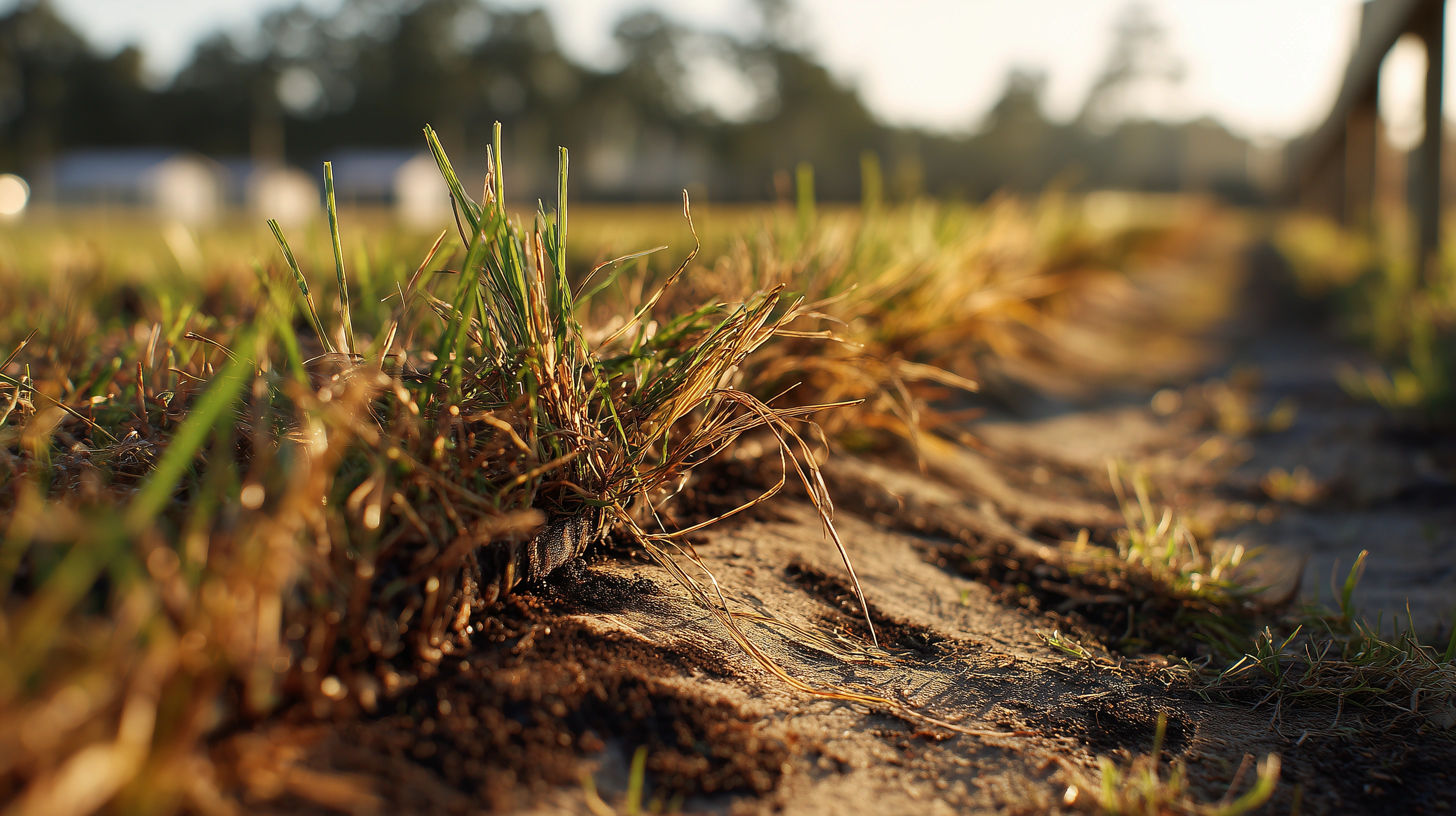
Discover why new zoysia sod browns in the Florida Panhandle and follow a step-by-step watering, soil, and maintenance plan for a lush lawn.
Guide to Stop Zoysia Sod Browning in the Florida Panhandle
Introduction
Installing a fresh layer of zoysiagrass sod can feel like hitting the reset button on your lawn--until it turns brown the moment you ease off the hose. If you've laid new zoysia sod in the Florida Panhandle and seen it go into a rapid dormancy (or worse, appear dead) when watering pauses, you're not alone. Sandy soils, hot summers, and a watering schedule that doesn't match root development can all conspire against your turf.
In this guide, we'll break down why your new sod browns so quickly, how to tell dormancy from true death, and most importantly, how to train roots to dig deeper. You'll walk away with a clear, step-by-step plan--from daily watering tweaks to soil prep and routine maintenance--so your zoysia sod emerges from establishment strong, green, and resilient.
Why Your New Zoysia Sod is Turning Brown: Dormancy vs. Death
When you pause irrigation, zoysiagrass often goes dormant rather than dying. Dormant blades turn tan or brown but spring back once roots access moisture. True death, on the other hand, means no recovery even after regular watering resumes.
Signs of dormancy:
Blades fold at midrib and take on a tufted, straw-like appearance
Turf remains firm underfoot and shows no patchy pathogen growth
Green shoots reappear around edges after consistent watering
Signs your sod may actually be dead:
Turf feels brittle and crumbles when tugged
Persistent bare spots or blackened patches that spread
No green shoots after 10-14 days of proper irrigation
Understanding this difference prevents premature re-sodding and focuses you on root development rather than panic fixes.

Ready to transform your lawn?
Get personalized AI guidance for the perfect lawn. Download Grassmaster Gus now!
The Root of the Problem: Shallow Roots and Sandy Soils
Zoysiagrass thrives when its roots dive deep into the soil, tapping moisture reserves beyond the scorching surface. But in the Florida Panhandle's sandy loam, water drains fast. If you water lightly and often, roots stay shallow--right where the soil dries first.
Why shallow roots hurt:
Surface moisture vanishes in hours, leaving thirsty grass
Roots under one inch can't reach stable moisture below
Frequent light watering discourages deeper root growth
Your mission: reprogram roots to seek water deeper down. That starts with changing how you irrigate and preparing your soil for better moisture retention.
Hands-On Watering Plan: Tapering from Daily to Founded
Days 1-14: Consistent Surface Moisture
Water daily in the early morning; aim for the top 1 inch of soil
Use multiple short cycles if needed but avoid puddles
Monitor by lifting a sod corner--soil should feel damp, not soggy
Days 15-28: Wean to Every Other Day
Shift to every 48 hours but lengthen each cycle to soak 2-3 inches deep
Encourage roots to explore moisture below the surface
Check by probing soil with a trowel--roots should appear deeper and denser
Weeks 5-6+: Every 2-3 Days
Apply about 0.5-0.75 inches of water each session, totaling 1-1.5 inches per week
Continue morning watering to reduce disease risk in our humid climate
Established Lawn: Water on Demand
Once roots reach 4-6 inches, water only when you see drought signs: bluish tint, folded blades, or footprints that don't bounce back
For mature zoysia, 0.5 inch weekly is usually enough except during heatwaves
Hot spell adjustment:
If daytime highs exceed 95 degreesF or a drought warning hits, temporarily revert down one step (e.g., every-other-day)
Resume tapering once temperatures normalize
Beyond the Hose: Soil Prep, Mowing, and Maintenance Tips
Solid roots need solid ground. Follow these practices to give your new sod every advantage:
Soil Testing & Amendment
Test pH (ideal 5.5-7.0). Adjust with lime or sulfur per soil test recommendations
Incorporate organic matter (compost or peat) into the top 2-3 inches before sod installation
Avoid compaction by raking and lightly tilling the topsoil layer
Mowing Best Practices
First mow at 1.5-2 inches once blades are about 3 inches tall
Keep blades sharp to prevent tearing, which invites disease
Don't remove more than one-third of blade height at a time
Fertilization Strategy
Skip fertilizer until 3-4 weeks post-installation--roots need to catch up first
Base N applications on soil test; aim for 2-4 lbs actual N per 1,000 sq ft annually
Split applications: late spring and mid-summer, avoiding heavy feeding during dormancy triggers
Disease & Pest Watch
Overwatering fosters fungal issues like large patch. Look for yellow rings or slimy spots
Inspect for billbug activity--brown patches with no obvious moisture stress may signal insects
If disease shows, follow UF/IFAS recommendations for fungicide timing[1]
Preventive Playbook: Avoid Future Browning Surprises
Aerate in Year Two: Core-aeration every fall or spring relieves compaction and promotes deeper roots
Monitor Weather: Check local forecasts--delay tapering if a dry spell or heatwave is incoming
Local Rules & Water Restrictions: Confirm county ordinances on irrigation days and times
Mulch Clippings: Return grass clippings to the lawn to recycle nutrients and improve soil moisture retention
By planning ahead and staying observant, you'll dodge most sod browning scares before they start.
Conclusion
Browning of new zoysia grass sod in the Florida Panhandle is almost always a sign of dormancy from shallow roots--rarely death. By following a gradual watering taper, improving soil conditions, and sticking to smart mowing and fertilization practices, you'll teach your turf to dive deep for moisture and withstand our sandy, hot summers.
Think of your irrigation plan as root training: a marathon, not a sprint. Stick with the schedule, watch your sod's response, and make tweaks for weather swings. Before long, you'll have a zoysia lawn that stays green, even when you're not hovering with a hose.
Ready to stop the browning cycle? Start with tomorrow's watering--set that timer for a deeper soak, not just another quick mist.
Transform Your Lawn with AI-Powered Care
Join thousands of homeowners achieving their dream lawn with personalized guidance from Grassmaster Gus.
- AI-powered lawn analysis
- Personalized care schedules
- Expert advice 24/7
- Track lawn progress