Grassy Weed Control in Zone 5b Kentucky Bluegrass
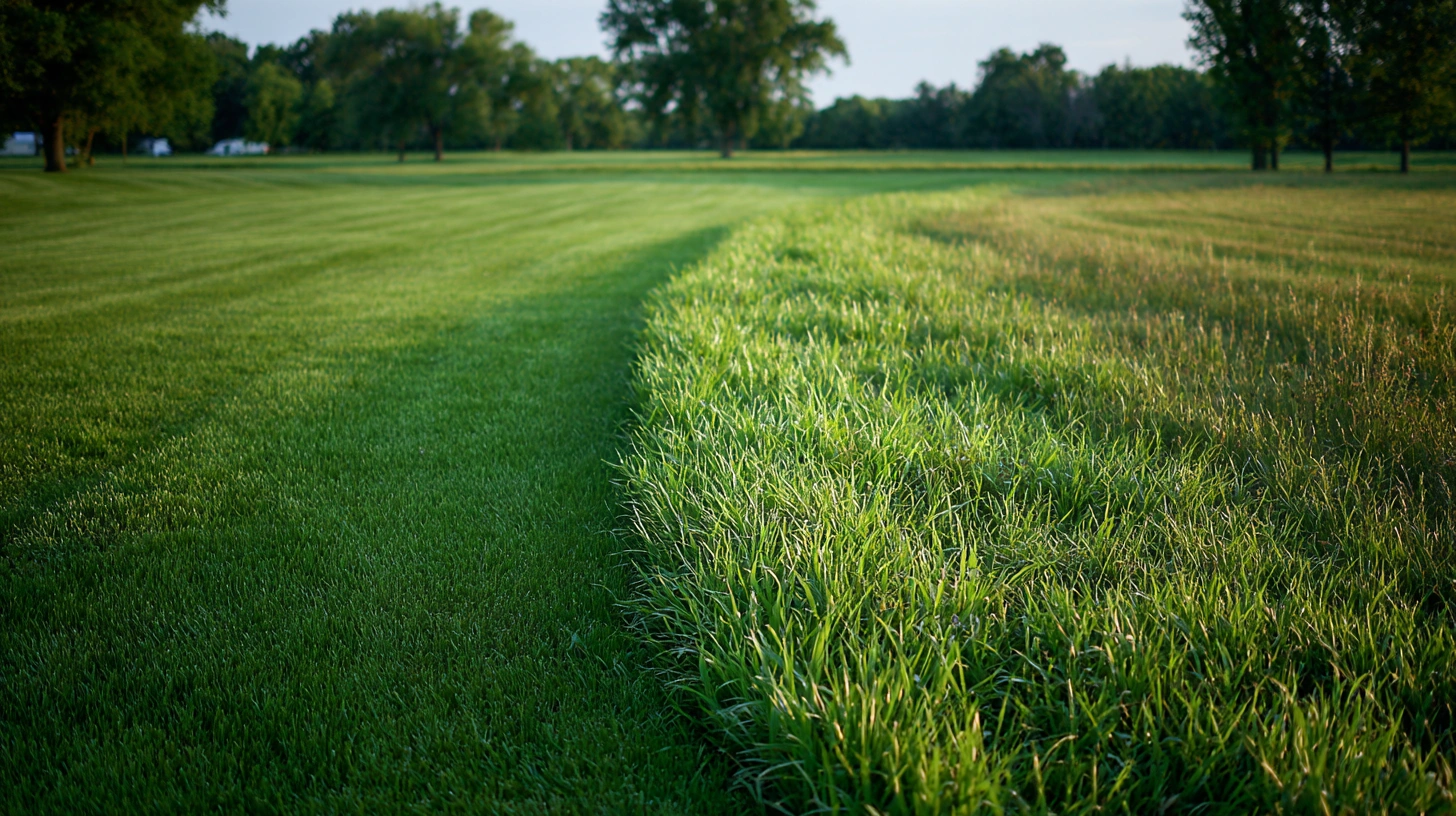
Learn to identify and tackle crabgrass, annual bluegrass, quackgrass, and more in your Zone 5b Kentucky Bluegrass lawn with integrated strategies.
Grassy Weed Control in Zone 5b Kentucky Bluegrass
Introduction
If you've noticed random patches of crabgrass or a stubborn carpet of annual bluegrass popping up in your lush Kentucky Bluegrass (KBG) lawn, you're not alone. In USDA Zone 5b--think northern U.S. states and southern Canada--cool springs and moderate summers give KBG its signature deep-green hue, but they also invite grassy weeds that compete for nutrients, water, and sunlight.
I've worked on countless lawns where a single crabgrass invasion snowballed into a full-blown battleground. The good news? With accurate weed identification and a seasonal, integrated approach, you can reclaim turf dominance. In this guide, I'll walk you through:
Identifying common grassy weeds in KBG lawns
Cultural, mechanical, and chemical controls tailored to Zone 5b
Tips on prevention and timing for preemergence and postemergence herbicides
By the end, you'll have a clear roadmap to keep your turf dense and green--no guesswork, no overkill, just practical steps based on research from sources like the University of Kentucky Extension.

Ready to transform your lawn?
Get personalized AI guidance for the perfect lawn. Download Grassmaster Gus now!
Problem Identification
Common Grassy Weeds in KBG Lawns (Zone 5b)
Crabgrass (Digitaria spp.)
Wide, flat blades and fingered seed heads.
Summer annual that explodes in bare spots.
Annual Bluegrass (Poa annua)
Light green leaves with a boat-shaped tip and white seed heads.
Prefers cool, moist shade; a winter annual that seeds heavily in spring.
Goosegrass (Eleusine indica)
Flattened stems in tight clumps; zipper-like seed head.
Summer annual that germinates when soil warms.
Quackgrass (Elymus repens)
Coarse blades and spreading rhizomes.
Perennial that survives mowing and reseeds aggressively.
Yellow Nutsedge (Cyperus esculentus)
Triangular stems, glossy yellow-green leaves.
Not a true grass; thrives in wet, compacted soils.
Causes and Contributing Factors
Thin or stressed turf. Bare spots are prime real estate for weeds.
Improper mowing height. Cutting below 2.5 inches weakens KBG and favors annual bluegrass.
Inconsistent watering. Shallow or infrequent irrigation stresses turf and encourages nutsedge.
Soil compaction. Limits root growth, reducing turf density and opening niches for quackgrass.
Integrated Management Strategies
A layered approach wins every time. Think of cultural tactics as your first line of defense, mechanical methods as your cleanup crew, and herbicides as precision strikes.
Cultural Controls
Mowing: Set your mower to 2.5-3.5 inches. Taller grass shades the soil and slows weed germination.
Fertilization: Test your soil every 2-3 years. Overfertilizing pushes top growth but can weaken roots; under-fertilizing thins turf.
Irrigation: Water deeply (1-1.5 inches per week) in one or two sessions. Consistent moisture builds deep roots and reduces stress.
Overseeding: In early fall, overseed thin areas with KBG at 2-3 lbs per 1,000 sq ft. A dense lawn starves out summer annuals.
Aeration and Dethatching: Annual core aeration relieves compaction; dethatching removes old material that harbors weed seeds.
Mechanical Controls
Hand-Pulling: Best on young crabgrass and goosegrass before seed set. Pull on moist soil for full root removal.
Dethatching and Core Aeration: Not only cultural but mechanical--break up root-bound thatch and allow turf roots to expand.
Chemical Controls
Preemergence and postemergence herbicides can tip the scales in your favor--but timing and active ingredients matter.
Preemergence Herbicides
When to Apply: Early spring when soil temps hit 55 degreesF (use a soil thermometer). In Zone 5b, this often means mid- to late April.
Common Actives: Prodiamine, pendimethalin, dithiopyr.
Coverage: Apply evenly with a drop or rotary spreader; water in with 0.25-0.5 inches of irrigation within one week.
Postemergence Herbicides
When to Apply: When weeds are young and actively growing (4-6 leaf stage for crabgrass).
Common Actives: Fenoxaprop-p-ethyl (crabgrass), quinclorac (broad-spectrum), mesotrione (selective).
Application Tips: Calm, dry days with temps between 60-85 degreesF. Avoid mowing 24 hours before and after treatment.
Safety Precautions
Always read and follow label instructions.
Wear gloves, long sleeves, and eye protection.
Keep kids and pets off treated areas until dry.
Check local regulations--some herbicides need special permits (Penn State Extension).
Prevention Strategies
A proactive lawn needs less intervention. Think of prevention as your long-term game plan.
Maintain Turf Density: Fall overseeding and proper fertilization keep KBG thick.
Ideal Mowing Practices: Never scalp your lawn--taller grass remains better equipped to fend off invaders.
Regular Soil Health Checks: pH and nutrient balance directly affect turf vigor.
Moisture Management: Avoid water-logged or bone-dry conditions; both pave the way for nutsedge or annual bluegrass.
Conclusion
Keeping your Kentucky Bluegrass lawn free of grassy weeds in Zone 5b isn't about miracle products--it's about timing, consistency, and layering strategies. Start with a dense, well-fed turf, use mechanical tactics to knock back small outbreaks, and reserve herbicides for targeted control. Monitor soil temperatures for preemergence timing, and tackle postemergent treatments on young weeds for maximum efficacy.
Think of your lawn like a tight-knit neighborhood--well-maintained homes (grass) leave no vacancy for squatters (weeds). With a season-long plan, you'll stay one step ahead of crabgrass, quackgrass, annual bluegrass, and their cohorts. Lace up your mower, mark your calendar for herbicide windows, and watch your turf win back its green glory.
Transform Your Lawn with AI-Powered Care
Join thousands of homeowners achieving their dream lawn with personalized guidance from Grassmaster Gus.
- AI-powered lawn analysis
- Personalized care schedules
- Expert advice 24/7
- Track lawn progress