Fall Dethatching Guide for Cool-Season Lawns in Zone 5
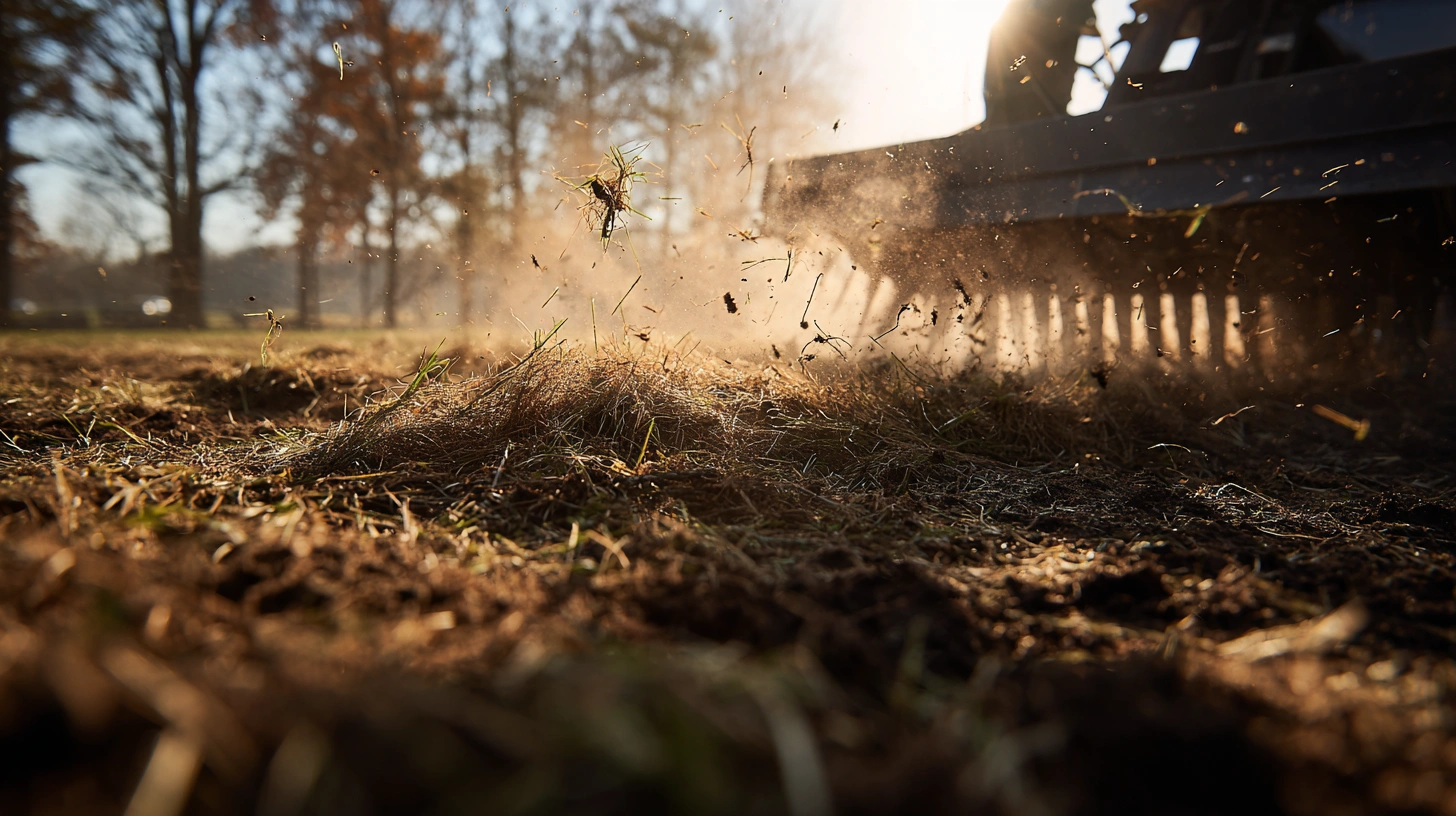
Learn when and how to dethatch cool-season lawns in Zone 5A for a healthier, greener yard. Expert tips on timing, equipment, and aftercare.
Fall Dethatching Guide for Cool-Season Lawns in Zone 5
Introduction
If your lawn feels like walking on a sponge or rainwater just pools on the surface, you might be dealing with a thatch problem. In USDA Zone 5A, cool-season turfgrasses (especially Kentucky bluegrass) build up thatch faster than they break it down, leading to shallow roots, poor drainage, and patchy growth. But here's the good news: you don't have to dethatch every year--only when thatch exceeds about 1/2 inch.
I'm your seasoned turf coach next door, and I've seen this routine enough times to know that timing is everything. Dethatch at the wrong moment, and you risk setting your lawn back instead of moving it forward. In this guide, we'll cover how to diagnose thatch buildup, choose the right window (late August-early September), pick the best tools, and follow up with recovery care so your lawn bounces back strong before winter.
Detecting Excessive Thatch
What Is Thatch?
Thatch is a layer of living and dead stems, roots, and shoots that accumulate between the green vegetation and the soil surface. A thin layer (under 1/2 inch) acts as insulation and helps turf survive cold snaps. But once it gets thicker, thatch becomes a barrier to water, air, and nutrients.1
How to Measure Thatch
Grab a trowel or soil probe and cut a small plug of turf, about 3 inches deep. Measure the layer between the green grass and the soil with a ruler:
- Under 1/2 inch: leave it alone.
- Over 1/2 inch: it's dethatch time.
Perform this test on several spots--high-traffic areas and low spots--to get a full picture of your lawn's thatch levels.
Causes of Thatch Buildup
Grass Species Prone to Thatch
- Kentucky bluegrass: excels at spreading via rhizomes, but that also means more organic matter to break down.
- Tall fescue and perennial ryegrass: bunch-type grasses, which tend to build less thatch and decompose more readily.
Cultural and Environmental Factors
- Overwatering or Overfertilizing: Creates lush growth that exceeds microbial breakdown.
- Infrequent Mowing: Long clippings can tangle with roots and stems.
- Poor Drainage and Compaction: Slow microbial activity and decomposition.
When to Dethatch in Zone 5A
Optimal Timing
Late August to early September strikes the sweet spot. Cool-season grasses are actively growing and can recover quickly before the first frost. Avoid spring dethatching--your lawn is already pushing growth, and you risk scalping and weed invasion.
Weather Considerations
- Wet Conditions: Wait for firm, dry soil to prevent compaction.
- Drought Stress: Postpone until you've restored adequate moisture.
- Frost Dates: Finish at least 4-6 weeks before your average first frost to give roots time to reestablish.
Dethatching Methods
Power Raking vs. Verticutting
- Power Rake: Agitates the thatch with rotating tines. Ideal for smaller lawns or moderate thatch levels.
- Verticutter (Vertical Mower): Slices vertically through thatch with blades. Better for larger areas or heavy thatch.
Adjust tines or blade depth to remove material without gouging into soil. Start shallow and increase depth if needed.
DIY vs. Professional Services
For lawns under 5,000 sq. ft., renting a machine and doing it yourself can save money. If your lawn is vast or heavily thatched, hiring a pro ensures proper technique and cleanup.

Ready to transform your lawn?
Get personalized AI guidance for the perfect lawn. Download Grassmaster Gus now!
Alternatives to Dethatching
Core Aeration
Removes soil plugs and relieves compaction, allowing oxygen and moisture into the root zone. Aeration also encourages microbes to break down thatch naturally.
Top-Dressing
Spread a thin layer (1/4 inch) of compost or screened topsoil over your lawn after aeration. It boosts microbial activity and helps decompose thatch from the top down.
Pro Tip: Combine aeration and top-dressing every fall as a gentler, no-rake option.
Post-Dethatching Care
- Rake and Remove Debris: Clear out loosened thatch and plugs.
- Light Fertilization: Apply a balanced, slow-release fertilizer to fuel recovery.3
- Water Deeply: Keep soil moist (but not soggy) for two weeks to promote root repair.
- Overseed if Needed: Fill thin spots with a cool-season blend, preferably matching your existing lawn mix.
Prevention Strategies
- Regular Mowing: Clip no more than one-third of the blade height and leave clippings to decompose.
- Moderate Fertilization: Stick to recommended rates--more isn't always better.
- Proper Watering: Aim for 1-1.25 inches per week, including rainfall.
- Scheduled Aeration: Once a year in fall keeps thatch in check.
Safety Tips
- Wear sturdy shoes and eye protection when operating dethatching equipment.
- Clear debris (rocks, sticks) before starting to prevent damage.
- Follow rental or manufacturer instructions for setup and depth adjustment.
Conclusion
Dethatching isn't a yearly chore for every cool-season lawn--but when thatch exceeds 1/2 inch, it can shut out the essentials your grass needs. In Zone 5A, late summer to early fall is your window to dethatch safely, whether you're running a power rake yourself or calling in a pro. Remember: measure first, choose the right method, and follow up with aeration, fertilization, and consistent care. Do it right, and you'll head into winter with a healthier root system, ready to pop back greener come spring.
Transform Your Lawn with AI-Powered Care
Join thousands of homeowners achieving their dream lawn with personalized guidance from Grassmaster Gus.
- AI-powered lawn analysis
- Personalized care schedules
- Expert advice 24/7
- Track lawn progress