Diagnosing Lighter Green Grass Patches in Zone 6b
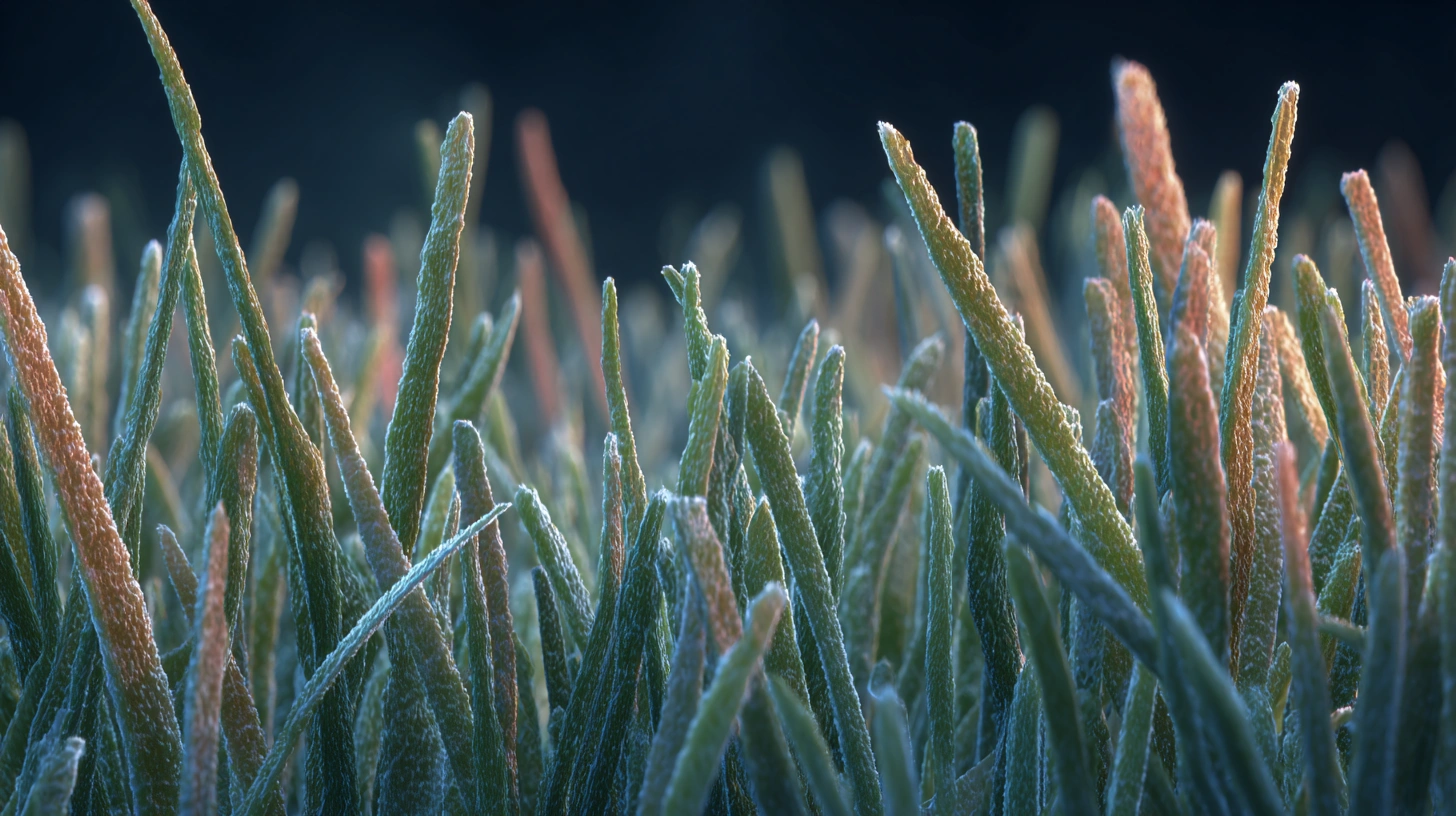
Learn how to pinpoint and fix lighter green, fuzzy patches in your Zone 6b lawn. From overseeding quirks to fungal threats, get practical steps.
Diagnosing Lighter Green Fuzzy Patches in Your New England Lawn
Introduction
Seeing lighter green, fuzzy patches pop up after you spent the weekend overseeding? You're not alone. In New England's Zone 6b, a lush overseeded lawn with Jonathan Green Black Beauty Ultra promises a thick, resilient turf. But if your effort left you staring at irregular, neon-green spots instead of a uniform carpet of grass, it can feel like you've taken two steps back. Those pale, fuzzy patches might be harmless color variation, the first signs of a cool-season fungus, or simply a nutrient hiccup. No need to panic. In this guide, I'll walk you through a straightforward, step-by-step diagnostic process to separate normal overseeding patchiness from unwanted guests like Microdochium patch or dollar spot, and to spot heat or water stress. You'll walk away with a clear plan--no guesswork--to get your lawn back to the rich, even green you've been working toward. Let's dive in.
Problem Identification
Before you break out the fungicide, let's pinpoint what you're actually seeing. The key symptoms here are:
Irregular, lighter green patches that look "fuzzy" or downy, especially at the edge
Appearance shortly after overseeding with a cool-season blend
No distinct rings or uniform patterns at first glance
These patches can range from a few inches across to several feet, and they may feel soft or slightly spongy. If they appeared within a week or two of overseeding, color and texture differences among the grass varieties could be at play. But if these spots worsen during humid, cool weather or after heavy watering, a fungal culprit might be lurking.
Causes and Contributing Factors
Overseeding Color and Patchiness
Mixes like Jonathan Green Black Beauty Ultra contain tall fescue, Kentucky bluegrass, and perennial ryegrass--each with its own color, texture, and germination rate. Ryegrass typically pops up first, often looking lighter green until the grass blades thicken. Kentucky bluegrass takes its time, which can leave temporary thinner areas. This blend-driven patchiness usually smooths out after several mowings as all varieties catch up. If your fuzzy spots don't show other stress signs--no mycelium, no dead grass beneath--give it a couple of weeks before you reach for harsher remedies. Meanwhile, keep your mowing height at about 3 inches to protect those young seedlings.
Fungal Diseases in Cool-Season Lawns
New England's cool, damp weather is prime real estate for turf diseases. A few to watch for include:
Microdochium Patch (Pink Snow Mold): Circular patches with a pinkish edge when active. Thrives in cool, wet conditions (Microdochium Patch - Wisconsin Horticulture).
Dollar Spot: Small, straw-colored spots that may show a fine web of mycelium in the morning dew.
Leaf Spot/Melting-Out: Starts as tiny dark lesions on blades, expanding into larger patches under stress.
Red Thread: Irregular light patches with pinkish-threaded tips on grass blades.
If you spot fuzzy or cottony growth in those pale areas--especially early in the morning--it's a good sign you're looking at fungal mycelium rather than overseeding variation. From there, cultural controls are your first line of defense: reduce nighttime moisture, water only in the morning, and improve air circulation.
Abiotic (Non-Disease) Stress
Not every patch of pale grass means disease. Heat stress, drought, and even mechanical damage can leave blades looking thin, curled, or lighter in hue:
Heat Stress: High temperatures can cause grass blades to curl or feel brittle at the edges of your fuzzy areas.
Water Stress: Too much water can suffocate roots and invite disease; too little leaves seedlings weak and pale.
Mower or Foot Traffic: Compacting new seedlings can cause thin patches.
Look for uniform wilting or browning without any fungal strands--if you don't see spores or mycelium, you're probably dealing with environment-based stress. Correct your irrigation schedule to around 1 inch of water per week, deep and early in the day, and limit heavy foot traffic until the new grass builds strength.
Nutrient Deficiencies
A lighter green hue can also signal low nitrogen or other nutrient gaps. Overseeding introduces fresh plants with new demands. A quick soil test guides you on whether your lawn is crying out for a top-dressing or a balanced fertilizer. In Zone 6b, it's common to have slightly acidic soil, so you may need lime to optimize nutrient uptake. Treat a confirmed deficiency with split fertilizer applications--avoid dumping a heavy dose that could burn young grass.

Ready to transform your lawn?
Get personalized AI guidance for the perfect lawn. Download Grassmaster Gus now!
Solutions and Treatments
Once you've narrowed down the cause, here's how to get back on track:
Adjust Watering:
Aim for about 1 inch of water weekly, preferably delivered in a single morning session. Deep, infrequent watering encourages roots to dig in rather than stay shallow.Improve Cultural Practices:
Mow at the recommended height (around 3 inches for tall fescue blends).
Aerate compacted areas to boost oxygen and water movement.
Dethatch if you have more than 1/2 inch of buildup.
Rake up clippings and leaves that trap moisture.
Apply Targeted Nutrition:
Use a fertilizer or soil amendment based on your test. Split applications in fall and spring help sustain even growth without overloading seedlings.Deploy Fungicides Judiciously:
Only if you've confirmed a fungal infection and cultural fixes aren't enough. Look for products labeled for Microdochium patch or dollar spot in cool-season lawns. Follow all local regulations and label instructions.Patient Observation:
Remember, blends like Jonathan Green's Ultra often need a few cutting cycles before they even out. If your fuzzy patches look healthy underneath, sometimes time and regular mowing are all that's needed.
Prevention Strategies
Prevention is about timing and balance:
Overseed in late August to early September when soil is warm but nights are cooler--disease pressure is lower and roots get a head start.
Avoid high-nitrogen feeds in late fall or early spring when fungi can use that nitrogen boost.
Keep your soil pH between 6.2 and 7.0 for optimal nutrient uptake and disease resistance.
Improve drainage in low spots to reduce standing water after rains.
Timing and Application Guidelines
Consistency is key:
Water early in the day, not at dusk.
Fertilize based on soil test results--split applications (e.g., half rate in fall, half in spring).
Mow new seedlings lightly but often--never remove more than one-third of the blade.
Inspect your lawn weekly; early detection makes treatment easier.
Safety Considerations
When you do reach for chemical controls:
Always read and follow label instructions.
Wear protective gear--gloves and goggles--and keep children and pets off treated areas until it's safe.
Check Massachusetts and New England regulations--some fungicides and fertilizers have seasonal restrictions.
Store products in a cool, dry place away from direct sunlight.
Conclusion
Navigating those lighter green, fuzzy patches in your Zone 6b grass doesn't have to be a mystery. Start by knowing that post-overseeding color variation is normal with blends like Jonathan Green Black Beauty Ultra. If you spot mycelium, take cultural steps first--water wisely, mow right, and aerate. Reserve fungicides for confirmed cases. And remember, soil testing is your best ally against nutrient-driven pale spots. With a clear eye for disease versus stress, a solid watering routine, and a bit of patience through successive mowings, you'll restore an even, vibrant lawn that makes your neighbors do a double take.
Transform Your Lawn with AI-Powered Care
Join thousands of homeowners achieving their dream lawn with personalized guidance from Grassmaster Gus.
- AI-powered lawn analysis
- Personalized care schedules
- Expert advice 24/7
- Track lawn progress