Cluster Weeds in Your Ontario Lawn: ID & Control Tips
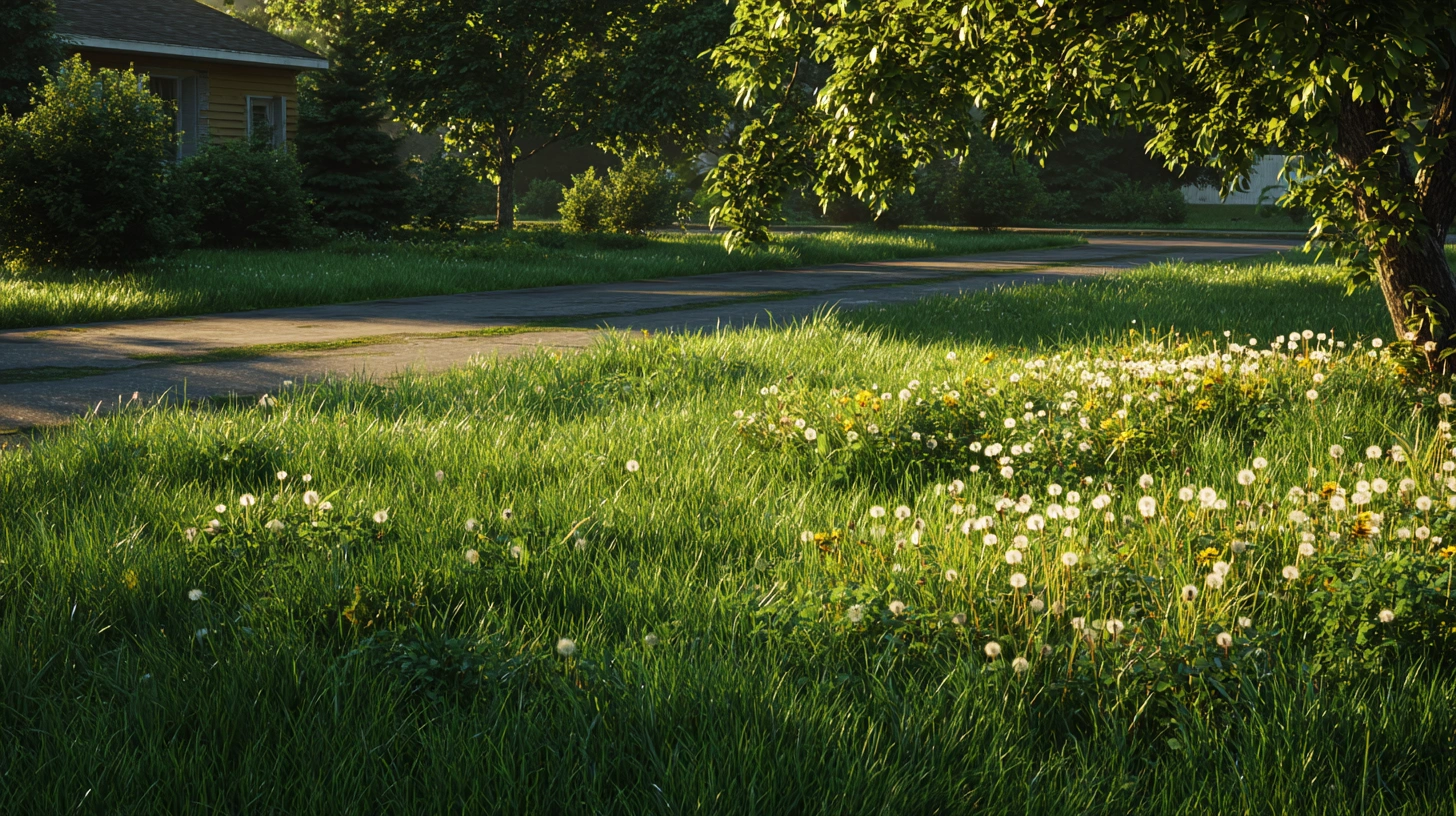
Learn to identify and tame dandelion, clover, plantain, and chickweed clusters on cool-season lawns in southwestern Ontario, pesticide-ban compliant.
Cluster Weeds in Your Ontario Lawn: ID & Control Tips
Introduction
If you've noticed patches of dandelions, clover, plantain or chickweed popping up together in your turf, you're dealing with cluster weeds on your cool-season lawn in southwestern Ontario. These persistent broadleaf invaders thrive in thin, stressed turf and can quickly form unsightly patches. With Ontario's Cosmetic Pesticide Ban limiting synthetic herbicides, you've got to rely on a smart combination of identification, cultural care, manual removal, and approved alternatives like iron-based products.
In this guide, I'll walk you through how to spot the four most common cluster weeds, explain why they take hold, and share step-by-step strategies to control them without running afoul of provincial regulations. By the end, you'll have a clear game plan for tackling those stubborn clumps and keeping your lawn looking like a green carpet, not a weedy lawn art project.
Common Cluster-Forming Weeds in Southwestern Ontario
1. Dandelion (Taraxacum officinale)
- Identification: Bright yellow flower heads on hollow stems, deeply toothed leaves in a low rosette.
- Why it clusters: A single taproot can send up multiple shoots, especially in bare spots.
- Quick tip: Pull when soil is moist; use a weed fork to get the entire taproot.
2. White Clover (Trifolium repens)
- Identification: Three-part leaves often marked with a pale crescent, tiny white puffball flowers.
- Why it clusters: Spreads via stolons (above-ground runners) that root at nodes, forming mats.
- Quick tip: Hand-pull runners, then plug holes with seed and starter fertilizer.
3. Broadleaf Plantain (Plantago major)
- Identification: Oval, veined leaves radiating from a ground-level rosette; greenish flower spikes later in season.
- Why it clusters: Tough little plant that tolerates compaction--ideal for high-traffic areas.
- Quick tip: Use a curved weeding knife to slice under the crown and remove the root.
4. Chickweed (Stellaria media)
- Identification: Low, sprawling mats of small, opposite leaves and delicate white star-like flowers.
- Why it clusters: Produces seeds quickly and thrives in moist, shaded spots.
- Quick tip: Rake lightly to remove seedlings before they set seed; overseed thin areas promptly.
Why Weeds Cluster: 4 Key Factors
- Thin or Patchy Turf: Weak grass can't outcompete fast-growing broadleaf weeds.
- Compacted Soil: Limits root growth for turf and favors shallow-rooted weeds like plantain.
- Improper Mowing: Cutting too low stresses grass; aim for 2.5-3" to shade soil.
- Moisture Imbalances: Overwatering creates lush conditions for chickweed; drought-stressed turf invites dandelions.
Addressing these cultural issues is your first line of defense against lawn weeds Ontario homeowners wrestle with every spring.
Manual and Cultural Controls
- Hand-Pulling: Best when soil is moist. Work in rows to ensure you don't miss a taproot.
- Weed Tools: A long-handled dandelion digger or a flat weeder works wonders on deep roots.
- Mowing Practices:
- Keep blades sharp for clean cuts.
- Maintain height at 2.5-3" to encourage a dense canopy.
- Overseeding and Aeration:
- Aerate compacted areas in fall or spring.
- Overseed bare patches with a cool-season blend (Kentucky bluegrass, perennial ryegrass, fine fescues).
- Proper Fertilization: A balanced N-P-K program strengthens turf--and a vigorous lawn crowds out weeds.
I've seen thick perennial ryegrass stands shut out white clover when given the right nutrients and mowing routine.

Ready to transform your lawn?
Get personalized AI guidance for the perfect lawn. Download Grassmaster Gus now!
Approved Alternative Herbicides in Ontario
Because of the Cosmetic Pesticide Ban, most synthetic herbicides are off-limits. Here's what you can use:
Iron-Based Herbicides (e.g., Fiesta)
- How it works: Iron salts cause rapid browning of broadleaf weed foliage.
- Application tips:
- Spray when weeds are young and actively growing.
- Apply in cool weather (spring or early fall) with temperatures between 10-25 degreesC.
- Repeat every 14-21 days until control is achieved.
- Pros: Safe for grass, people, and pets; labelled for "cosmetic use" in Ontario.
- Cons: Doesn't kill roots; multiple treatments required.
Acetic Acid (Vinegar-Based Spot Treatment)
- How it works: Concentrated vinegar burns leaf tissue.
- Application tips:
- Use only on small clumps of young weeds.
- Avoid overspray on desirable grasses and flowers.
- Wear eye protection and gloves; vinegar can irritate skin.
- Pros: Readily available and inexpensive.
- Cons: Non-selective; can damage turf and beneficial plants.
Timing Best Practices
- Early Season (April-May):
- Ideal for hand-pulling and first iron-based spray.
- Soil is moist from spring rains--great for uprooting weeds.
- Mid-Season (June):
- Hold off on broad applications during heat waves--iron products can scorch drought-stressed turf.
- Fall (September-October):
- Overseed, aerate, and apply a final iron-based treatment to weaken weeds before winter.
Avoid spraying if rain is forecast within 24 hours--water can wash away product or dilute the concentration.
Safety and Legal Considerations
- Provincial Regulations: Only use products on Ontario's approved list under the Cosmetic Pesticide Ban.
- PPE Requirements: For iron-based or acetic acid sprays, wear gloves, long sleeves, and eye protection.
- Storage: Keep herbicides in their original containers and out of reach of kids and pets.
- Municipal By-Laws: Some cities have stricter rules--check with your municipality before applying any product.
Conclusion
Cluster-forming weeds like dandelions, clover, plantain, and chickweed can turn a healthy cool-season lawn into a battle zone if left unchecked. By combining accurate identification, targeted hand removal, cultural practices--like proper mowing height and overseeding--and approved iron-based herbicides, you'll stay compliant with Ontario's Cosmetic Pesticide Ban while keeping your turf top-notch.
Start with a thorough spring inspection, tackle weeds when they're young, and invest in lawn vigor all season long. Do that, and you'll find yourself mowing lush, uniform grass instead of chasing clumps of unwelcome broadleaf roommates. Your neighbours might even start asking for your secret recipe--just remember to share a copy of this guide.
Transform Your Lawn with AI-Powered Care
Join thousands of homeowners achieving their dream lawn with personalized guidance from Grassmaster Gus.
- AI-powered lawn analysis
- Personalized care schedules
- Expert advice 24/7
- Track lawn progress