Best Warm-Season Grasses for North Mississippi Lawns
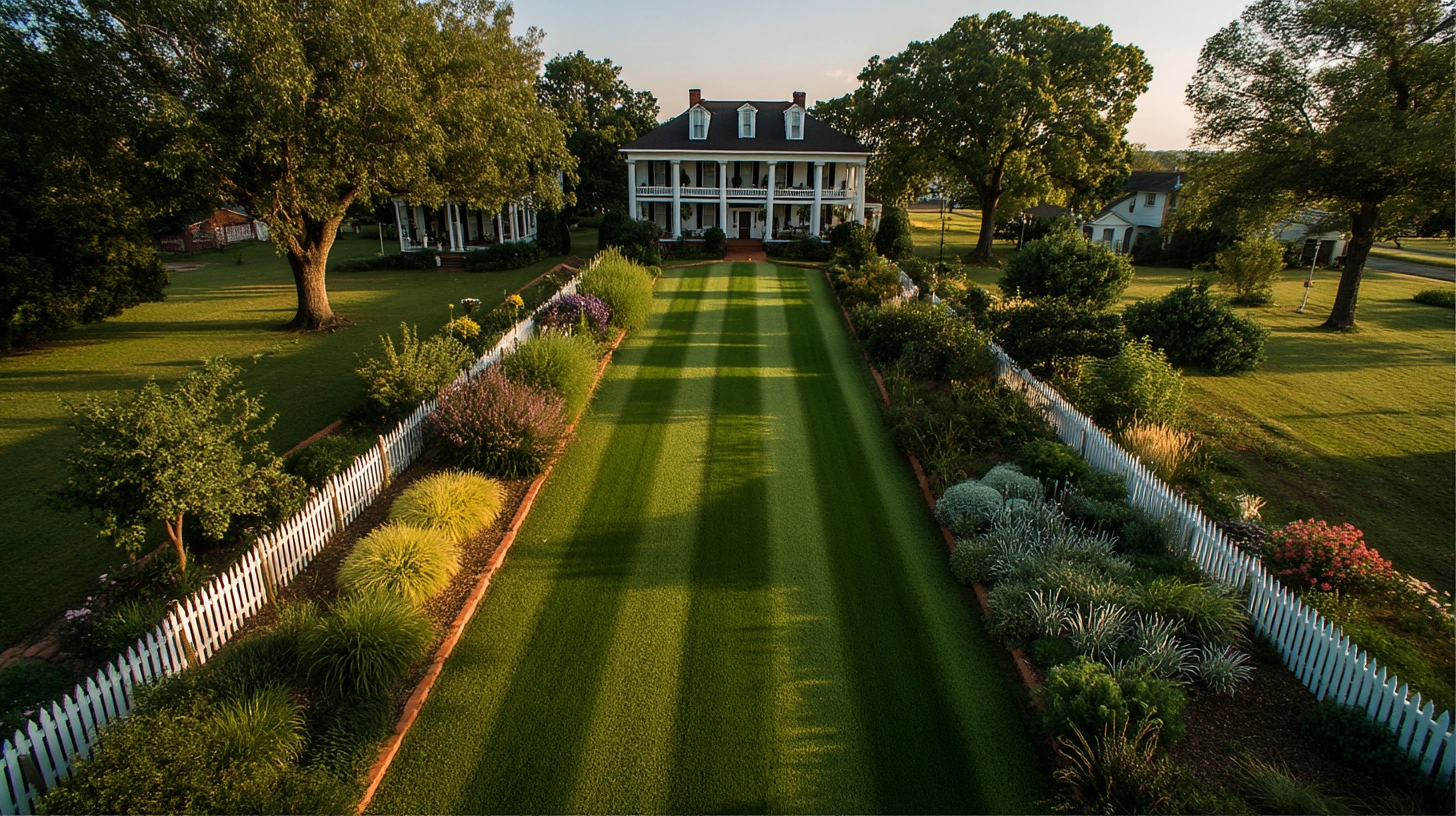
Explore the top warm-season grasses for North Mississippi lawns, learn to identify your turf, and get pro tips on full-yard conversions.
Best Warm-Season Grasses for North Mississippi Lawns
Introduction
If you're mowing away patches of dead grass each spring or scratching your head over what's actually growing under your tires, you're not alone. North Mississippi's hot summers and mild winters make it a playground for warm-season grasses--but picking the right one (or identifying what you already have) can feel like decoding hieroglyphics. In this guide, we'll break down the best lawn grass for Mississippi homeowners, show you how to nail down grass identification in North Mississippi, and walk you through converting your entire yard to a single, resilient turf.
Think of this as a playbook from your seasoned turf coach: clear explanations, real-world tips, and a little lawn humor to keep things lively. By the end, you'll know the strengths and trade-offs of Bermudagrass, Zoysiagrass, Centipedegrass, St. Augustinegrass, and Bahiagrass--and have an action plan for a lush, green yard that won't leave you sweating every time the temperature spikes.
Why Choose the Right Warm-Season Grass?
Warm-season lawn grasses go dormant in winter, then green up vigorously from late spring through early fall. But not all warm-season varieties thrive under the same conditions. Sun exposure, soil type, foot traffic, and maintenance willingness all factor into which grass you should plant or encourage.
Matching grass to site conditions:
Maximizes drought and heat tolerance
Reduces fertilizer and water needs
Limits pest and disease headaches
With the right match, mowing becomes less of a chore and more of a hobby--your lawn stays thick, healthy, and photo-ready.
Identifying Your Current Grass
Before you grab a shovel or invest in new sod, let's diagnose what's underfoot. Grass identification North Mississippi-style hinges on blade shape, growth habit, and texture:
Blade Width: Fine (1/8-inch) vs. coarse (1/4-inch+)
Growth Pattern: Spreading stolons/rhizomes or bunch-type clumps
Color & Texture: Deep, dark green vs. lighter hues; soft vs. stiff feel
A quick tip: snap a few blades close to the soil and observe how they spread--stolons run above ground, rhizomes creep below, and bunch grasses form tight clusters.

Ready to transform your lawn?
Get personalized AI guidance for the perfect lawn. Download Grassmaster Gus now!
Top Warm-Season Grass Options
Ready for the main event? Here's the rundown of North Mississippi's go-to grasses.
Bermudagrass (Cynodon dactylon)
Identification: Fine to medium blades (~1/8 inch), sharp points. Greener and denser than most when maintained.
Strengths:
Outstanding heat and drought tolerance
Rapid recovery thanks to aggressive stolons and rhizomes
Ideal for high-traffic areas (think kids, pets, weekend football)
Trade-Offs:
Demands frequent mowing (every 5-7 days in summer)
Needs regular fertilization to look its best
Struggles in shade--needs 6+ hours of sun
Zoysiagrass (Zoysia spp.)
Identification: Narrow, needle-like blades; stiff, carpet-like feel. Slow climber but builds a dense mat.
Strengths:
Tolerates light shade (4-5 hours of sun)
Good drought resistance once established
Requires less mowing than Bermudagrass (every 10-14 days)
Trade-Offs:
Slow to establish; patience required (6-12 months from seed)
Prone to thatch--annual dethatching helps maintain health
Centipedegrass (Eremochloa ophiuroides)
Identification: Light green, soft texture; blades have a slight notch near the tip. Low-growing and gentle underfoot.
Strengths:
Low maintenance--minimal fertilizer and mowing (every 10-14 days)
Moderate shade tolerance (4+ hours of sun)
Thrives in acidic, sandy soils common in North Mississippi
Trade-Offs:
Slower recovery from damage or heavy wear
Less traffic tolerance--avoid intense sports or playground use
St. Augustinegrass (Stenotaphrum secundatum)
Identification: Broad blades (~1/4 inch), rounded tips, coarse feel. Blue-green hue gives lawns a lush look.
Strengths:
Performs well in partial shade (4-6 hours of sun)
Establishes quickly from sod or plugs
Dense turf resists many weeds
Trade-Offs:
Requires consistent irrigation and fertilization
Less cold hardy--may brown earlier in winter
Bahiagrass (Paspalum notatum)
Identification: Coarse, V-shaped blades, open growth habit. Light green color and upright seed stalks.
Strengths:
Excellent drought resilience--thrives in sandy soils
Minimal maintenance; mow infrequently (every 14-21 days)
Low fertility demands
Trade-Offs:
Turf is thinner--can allow weeds if not overseeded
Aggressive seedheads may be unsightly
Bermudagrass vs Zoysiagrass: Quick Comparison
If you're torn between two top picks, here's a side-by-side snapshot:
Sun Needs: Bermudagrass 6+ hrs | Zoysiagrass 4-5 hrs
Mowing Frequency: Bermudagrass weekly | Zoysiagrass bi-weekly
Establishment Speed: Bermudagrass fast | Zoysiagrass slow
Shade Tolerance: Low vs Moderate
Thatch Potential: Medium vs High
Converting Your Southern Lawn
Planning a full-yard conversion? Follow these turf-tested steps:
Site Prep: Kill existing vegetation with a non-selective herbicide or solarization. Rake and grade the soil to remove debris and create a smooth surface.
Soil Test: North Mississippi soils tend toward acidity. Test pH and amend with lime or sulfur according to local extension recommendations (Mississippi State University Extension).
Timing: Aim for late spring to early summer. Soil temperatures above 65 degreesF kick off root growth for warm-season grasses.
Planting Method:
Seed: Cost-effective but slow (Zoysia, Centipede, Bahiagrass).
Sod: Instant coverage for Bermudagrass & St. Augustine, pricier but fast.
Plugs/Plates: Middle ground--smaller pieces establish quicker than seed but cost less than full sod.
Watering: Keep soil moist (not soggy) for 2-3 weeks. Once established, shift to deep, infrequent watering.
Fertilization: Begin light feeding once grass shows 50% green coverage. Increase rates gradually based on species needs.
Mowing: Don't scalpel new grass--follow recommended height (Bermuda 1-1.5", Zoysia 1-2", Centipede 1.5-2", St. Augustine 2.5-3", Bahiagrass 2-3").
Maintenance at a Glance
Bermudagrass: High input, high reward; frequent mow/fertilize.
Zoysiagrass: Moderate input; watch thatch.
Centipedegrass: Low input; gentle mower.
St. Augustinegrass: Medium-high input; shade-friendly.
Bahiagrass: Low input; thin turf--overseed if weeds invade.
Conclusion
Choosing the best lawn grass for Mississippi comes down to matching turf traits to your yard's personality--sun, soil, traffic, and time you're willing to invest. Whether you stick with a beloved Bermudagrass or switch to a low-input Centipede setup, understanding how each grass grows, spreads, and fairs under North Mississippi's climate is half the battle.
Gear up for your conversion by testing soil, timing your planting for warm soil, and following the establishment steps above. Before you know it, your neighbors will be peeking over the fence, wondering how you turned that patchwork into Mississippi's greenest block. Grab your mower and get ready--your best lawn awaits.
Transform Your Lawn with AI-Powered Care
Join thousands of homeowners achieving their dream lawn with personalized guidance from Grassmaster Gus.
- AI-powered lawn analysis
- Personalized care schedules
- Expert advice 24/7
- Track lawn progress